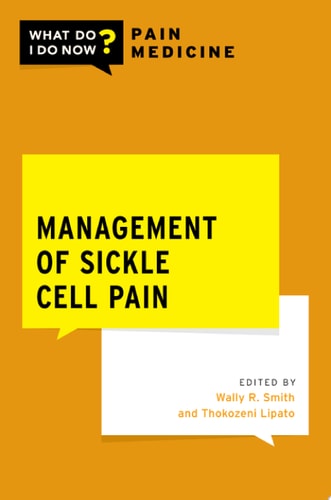
Management Of Sickle Cell Pain
0
0
As an Amazon Associate and affiliate partner, Menrva Books earns from qualifying purchases. Learn more
Author Description
One Of The Major Developmental Tasks For All Children Is To Master Functioning In The School Environment. This Task Can Be Difficult For Children With Chronic Illnesses. Students Must Be Present And Engaged To Develop Positive Relationships With Same-aged Peers And Succeed Academically. Children With Scd Have Been Shown To Have Difficulties Both Academically And Socially In School. Scd Painful Vaso-occlusive Crises (vocs), Whether Treated In The Hospital Or At Home, Are Unpredictable, Making It Challenging For Students To Be Present And Fully Engaged With Their Educational Experience. Patients With Scd Miss An Average Of 20-40 Days Of School Per Year. Approximately 35% Of Patients Miss More Than One Month Of School, A Rate Significantly Higher Than Peers Or Sibling Controls. Grade Retention Rates In Adolescents Have Been Reported To Be As High As 40%, Higher Than The National Average Of 5-10% For Unaffected Students. In Addition To Pain, Other Factors Related To Scd, Such As Chronic Anemia, Neurocognitive Deficits, And Stroke Can Impact School Absenteeism And Performance. Physical Changes Such As Small Stature And Jaundice, Combined With Activity Limitations That Are Often Placed On Students, Can Impair Social Interactions With Peers. Children With Scd Perceive Challenges To Managing Their Pain At School And Barriers To Creating A Positive Experience In School Environment As Early As Elementary School. Academic Challenges Extend Beyond Racial And Socioeconomic Disparities, As Children With Scd Have Disproportionately Higher Rates Of Grade Retention And Special Education Services Compared With Nonaffected Children In The Same School District. Neurologic Complications, Ranging From Overt Stroke To Subtle Neurocognitive Changes, Are Among The Most Common Complications Of Scd. Scd Is The Most Common Cause Of Stroke In Children. Patients Can Also Have Silent Strokes And Sickle Cell Related Vasculopathy. Silent Infarcts Are Associated With Cognitive Morbidity And Increase
Menrva's Summary
THE THESIS
This book investigates the multifaceted impact of sickle cell disease (SCD) on the educational attainment and social development of pediatric patients. Authors Thokozeni Lipato and Wally R. Smith, both experts in hematology and patient care, synthesize clinical data regarding vaso-occlusive crises, neurocognitive deficits, and chronic absenteeism to explain why students with SCD face disproportionately high rates of grade retention and social isolation. The text provides a framework for understanding how medical complications intersect with the school environment to create systemic barriers for affected children.
THE SCOPE MAP
What You Will Find
- Statistical analysis of school absenteeism rates among children with SCD compared to unaffected peers.
- Clinical overview of how vaso-occlusive crises and chronic anemia disrupt consistent classroom engagement.
- Examination of neurocognitive complications, including silent strokes and vasculopathy, and their effect on academic performance.
- Assessment of social and physical barriers, such as activity limitations and visible symptoms, that hinder peer interaction.
THE AUTHORITY PERSPECTIVE
Medical professionals and educators frequently cite this work as a critical resource for understanding the intersection of chronic pediatric illness and academic success. Experts highlight the text for its clear articulation of the non-medical consequences of sickle cell disease in a school setting.
Page Count:
0
Publication Date:
2024-01-01
Publisher:
New York, NY : Oxford University Press,
ISBN-10:
0197630839
ISBN-13:
9780197630839
Health
Hematology
Pediatrics
Chronic Disease
Drug therapy
Medicine
Patient Care
Education
Community Tags
Similar Books