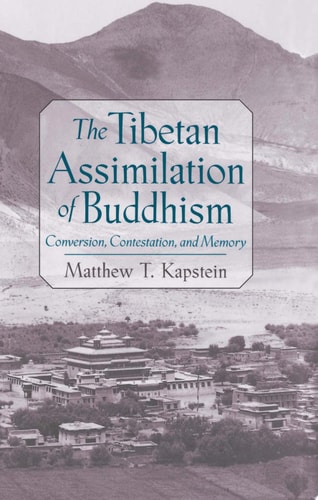
The Tibetan Assimilation of Buddhism: Conversion, Contestation, and Memory
0
0
As an Amazon Associate and affiliate partner, Menrva Books earns from qualifying purchases. Learn more
Author Description
This Book Explores The Buddhist Role In The Formation Of Tibetan Religious Thought And Identity. In Three Major Sections, The Author Examines Tibet's Eighth-century Conversion, Sources Of Dispute Within The Tibetan Buddhist Tradition, And The Continuing Revelation Of The Teaching In Both Doctrine And Myth.
Menrva's Summary
THE THESIS
This book investigates the historical and cultural mechanisms through which Buddhism was integrated into Tibetan society, shaping its religious identity and intellectual framework. James D. Proctor utilizes historical analysis and religious studies methodology to examine the eighth-century conversion period and the subsequent evolution of doctrine. The work argues that the assimilation of Buddhist thought was not a singular event but a continuous process of negotiation, contestation, and myth-making that remains central to Tibetan identity.
THE SCOPE MAP
What You Will Find
- Analysis of the eighth-century conversion of Tibet to Buddhism
- Examination of internal disputes and sectarian contestation within the tradition
- Exploration of the role of myth and doctrine in maintaining religious identity
- Historical overview of the formation of Tibetan religious thought
THE AUTHORITY PERSPECTIVE
Scholars and students of Tibetan studies frequently cite this work for its clear articulation of the complex interplay between historical fact and religious narrative. Experts highlight the text as a useful resource for understanding the foundational shifts in Tibetan cultural identity during the medieval period.
Page Count:
336
Publication Date:
2000-01-01
Publisher:
Oxford University Press, Usa
ISBN-10:
019803007X
ISBN-13:
9780198030072
Religion
History
Buddhism
Tibet
Community Tags
Similar Books