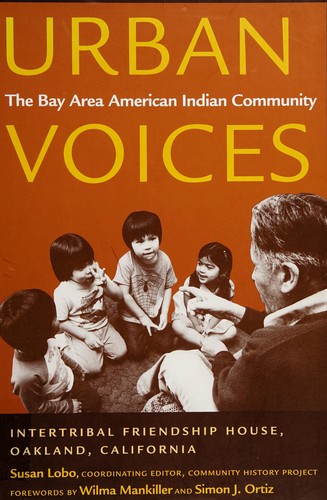
Urban Voices
0
0
As an Amazon Associate and affiliate partner, Menrva Books earns from qualifying purchases. Learn more
Author Description
In the 1950s, Native people from all over the United States moved to the San Francisco Bay Area as part of the Bureau of Indian Affairs Relocation Program. Oakland was a major destination of this program, and once there, Indian people arriving from rural and reservation areas had to adjust to urban living. They did it by creating a cooperative, multi-tribal community--not a geographic community, but rather a network of people linked by shared experiences and understandings. The Intertribal Friendship House in Oakland became a sanctuary during times of upheaval in people's lives and the heart of a vibrant American Indian community. This album of essays, photographs, stories, and art chronicles some of the people and events that have played--and continue to play--a role in the lives of Native families in the Bay Area Indian community over the past seventy years. It offers insight into American Indian activism of the 1960s and '70s--including the occupation of Alcatraz--and shows how the Indian community continues to be created and re-created for future generations. [back cover].
Menrva's Summary
THE THESIS
The Bureau of Indian Affairs Relocation Program brought Native Americans to the San Francisco Bay Area in the 1950s, prompting the creation of a vibrant, multi-tribal urban community. Faced with the challenges of adjusting to city life, these individuals formed a network of shared experiences and understandings, with the Intertribal Friendship House in Oakland serving as a central sanctuary. This collection documents the evolution of this community over seven decades, highlighting its role in American Indian activism and its ongoing legacy for future generations.
THE SCOPE MAP
- Essays, photographs, stories, and art chronicling the lives of Native families in the Bay Area.
- Insights into the American Indian activism of the 1960s and '70s, including the occupation of Alcatraz.
- A focus on the creation and re-creation of a cooperative, multi-tribal urban community.
- A historical perspective on the Bureau of Indian Affairs Relocation Program's impact on Native Americans.
THE AUTHORITY PERSPECTIVE
This collection offers a unique perspective on the experiences of Native Americans relocating to urban environments, focusing on the community built in the San Francisco Bay Area. The inclusion of personal narratives, photographs, and art provides a rich, multi-faceted view of this history. The book delves into significant periods of activism and the enduring legacy of community formation. It serves as a valuable resource for understanding the resilience and cultural continuity of urban Native American populations.
Page Count:
136
Publication Date:
2002-01-01
ISBN-10:
0816513163
History
Non-Fiction
Urban Studies
Social History
Oral History
Community Tags
Similar Books