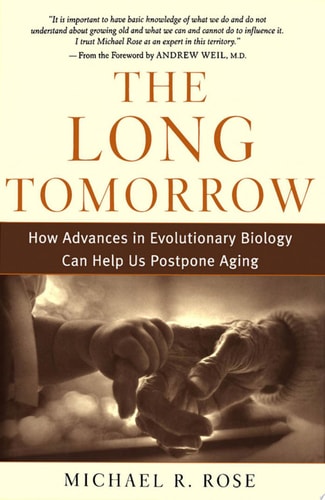
The Long Tomorrow
0
0
As an Amazon Associate and affiliate partner, Menrva Books earns from qualifying purchases. Learn more
Author Description
One of the original novels of post-nuclear holocaust America, The Long Tomorrow is considered by many to be one of the finest science fiction novels ever written on the subject. The story has inspired generations of new writers and is still as mesmerizing today as when it was originally written. Len and Esau are young cousins living decades after a nuclear war has destroyed civilization as we know. The rulers of the post-war community have forbidden the existence of large towns and consider technology evil.However Len and Esau long for more than their simple agrarian existence. Rumors of mythical Bartorstown, perhaps the last city in existence, encourage the boys to embark on a journey of discovery and adventure that will call into question not only firmly held beliefs, but the boys' own personal convictions.
Menrva's Summary
THE PULSE
Two young cousins, Len and Esau, defy the anti-technological mandates of their agrarian society to seek the legendary city of Bartorstown. Living in the aftermath of a nuclear catastrophe, the protagonists navigate a world where urban centers and advanced machinery are strictly prohibited by religious and social authorities. Their quest for knowledge forces them to confront the limitations of their isolated community and the potential existence of a hidden, technologically advanced civilization. The narrative follows their physical movement across a desolate landscape, serving as a catalyst for their internal transformation and the questioning of their upbringing.
INSIDE THE PAGES
- Post-nuclear societal collapse and agrarian isolationism
- Exploration of the conflict between tradition and technological advancement
- Coming of age narrative structure centered on two cousins
- World-building focused on the remnants of pre-war civilization
- Philosophical inquiry into the ethics of human progress
- Quest-based plot progression through a ruined landscape
- Examination of authoritarian control over information and technology
- Character-driven development through discovery and disillusionment
THE COLLECTIVE ECHO
Readers frequently highlight the novel's influence on the post-apocalyptic genre, noting its focus on the sociological consequences of nuclear war rather than mere survival action. Discussion often centers on the tension between the characters' desire for progress and the restrictive, anti-technological dogma of their community. Critics often point to the atmospheric world-building as a defining feature that maintains the story's relevance across generations. The pacing is described as deliberate, prioritizing the internal development of the protagonists over rapid-fire plot sequences. Readers appreciate the nuanced exploration of how societies reconstruct their values in the wake of total destruction.
Page Count:
192
Publication Date:
2005-01-01
Publisher:
Oxford University Press, Incorporated
ISBN-10:
0198039867
ISBN-13:
9780198039860
Science Fiction
Dystopian
Post-Apocalyptic
Evolution
Longevity
Community Tags
Similar Books