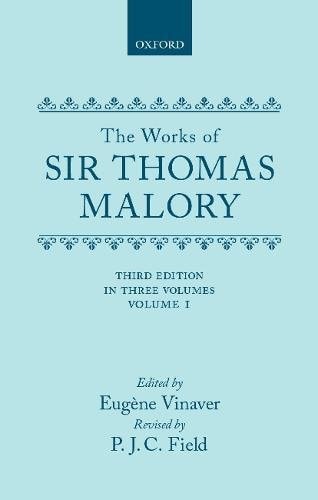
The Works of Sir Thomas Malory: Volume III
0
0
As an Amazon Associate and affiliate partner, Menrva Books earns from qualifying purchases. Learn more
Author Description
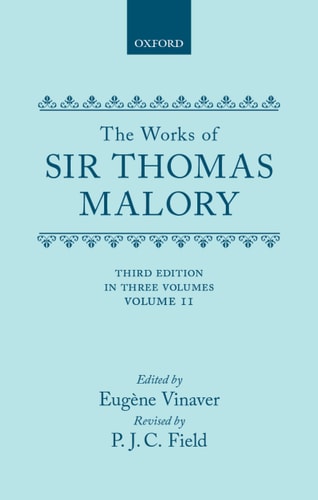
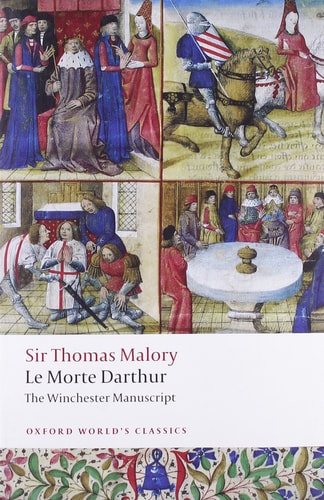
Sir Thomas Malory's Arthurian romances are a remarkable example of literary the product and consumation of a movement initiated by early French writers, transforming the legacy of one nation into a seminal text for another. In the process, they effect the transition from the medieval to the modern conception of the novel - from early romance to a type of fiction able to carry its message to the modern world. Eugene Vinaver's edition, which first appeared in 1974, was the first to be based on the 15th century manuscript discovered in the Fellow's Library in Winchester College in 1934, which was closer to Malory's own text than Caxton's printing, the text on which all previous editions had been based.
Menrva's Summary
THE PULSE
The central conflict involves the moral and political disintegration of the Round Table as the knights of Camelot face internal betrayal and the inevitable decline of their chivalric order. The protagonist, King Arthur, seeks to maintain a unified kingdom through the establishment of a code of honor, yet he is constantly opposed by the conflicting desires of his knights and the encroaching darkness of fate. The narrative framework utilizes a series of interconnected romances that shift focus between various figures, creating a complex web of loyalty and transgression. These accounts operate within the physical constraints of a medieval landscape where divine intervention and human fallibility dictate the outcome of every quest.
INSIDE THE PAGES
- Detailed accounts of chivalric combat and tournament life
- Exploration of the tension between courtly love and feudal duty
- Integration of supernatural elements and mystical artifacts
- Episodic narrative structure typical of medieval romance
- Focus on the psychological development of key figures like Lancelot and Guinevere
- Use of archaic prose to establish a sense of historical distance
- Examination of the decline of the Arthurian ideal
- Emphasis on the themes of honor, betrayal, and redemption
THE COLLECTIVE ECHO
Discussion often centers on the significance of the Winchester manuscript in providing a more authentic version of the text compared to earlier editions. Readers frequently highlight the transition from traditional medieval romance to a more modern, cohesive narrative style that anticipates the development of the novel. Critics often examine the balance between the action-oriented quests and the deeper thematic explorations of human failure and political collapse. The atmosphere is consistently described as both grand and melancholic, reflecting the inevitable end of the golden age of Camelot. Scholars continue to analyze how these texts serve as a bridge between French literary traditions and the English literary canon.
Page Count:
680
Publication Date:
1990-10-11
Publisher:
Oxford University Press
ISBN-10:
0198123469
ISBN-13:
9780198123460
Fantasy
Romance
Arthurian romances
Medieval
classic
Arthurian
Literature