Violin Family and its Makers in the British Isles: An Illustrated History and Directory
0
0
As an Amazon Associate and affiliate partner, Menrva Books earns from qualifying purchases. Learn more
Author Description
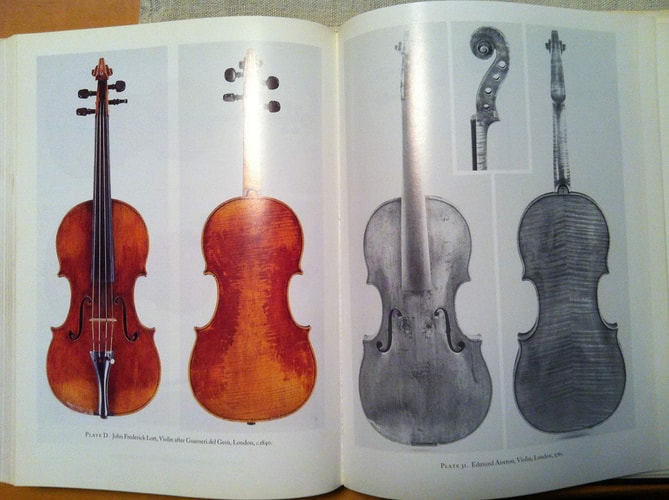
In this book, Harvey explains in detail the history of violin-making in Britain, from one of the earliest extant English instruments made of iron by John Bunyan in about 1647, to the extensive British craft industry of today, including within his book a comprehensive directory of violin-and-bow-makers of the British Isles, with auction prices. The book includes numerous high-quality color and monochrome illustrations, including samples of the work of the major craftesmen involved. The book is also a social and economic history of stringed instruments, showing how in England in particular the violin was slow to win acceptance by association with gypsies and the devil, and how the cello became the instrument favoured by royalty and the aristocracy. The demand for instruments at any particular time is gauged against musical activity in the country.
Menrva's Summary
THE THESIS
This work investigates the historical development, social context, and economic evolution of violin-making within the British Isles from the 17th century to the present day. Brian W. Harvey utilizes his extensive research to document the transition of the violin from a marginalized instrument to a central component of British musical life. By analyzing the craft alongside broader cultural shifts, the author provides a framework for understanding how instrument production responded to the changing demands of royalty, aristocracy, and the general public.
THE SCOPE MAP
What You Will Find
- A chronological history of British violin and bow making starting from 1647.
- A comprehensive directory of makers including historical auction price data.
- Analysis of the social and economic factors that influenced instrument popularity and production.
- Extensive visual documentation featuring high-quality color and monochrome illustrations of instruments and craftsmanship.
THE AUTHORITY PERSPECTIVE
Experts and collectors recognize this volume as a primary reference for the history of British lutherie. Readers frequently note the meticulous detail provided in the directory, which serves as a practical tool for those tracking the provenance and market value of specific instruments.
Page Count:
558
Publication Date:
1995-05-25
Publisher:
Clarendon Press
ISBN-10:
0198162596
ISBN-13:
9780198162599
Non-Fiction
Music
History
Reference
Violin Makers
Crafts
Community Tags
Similar Books