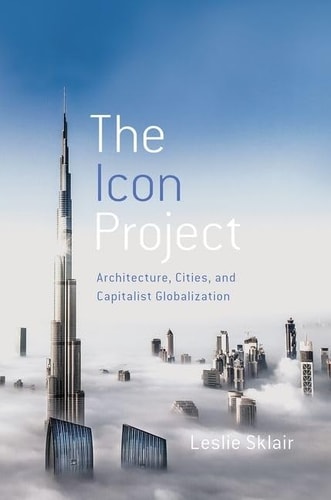
The Icon Project: Architecture, Cities, and Capitalist Globalization
0
0
As an Amazon Associate and affiliate partner, Menrva Books earns from qualifying purchases. Learn more
Author Description
In the last quarter century, a new form of iconic architecture has appeared throughout the world's major cities. Typically designed by globe-trotting "starchitects" or by a few large transnational architectural firms, these projects are almost always funded by the private sector in the service of private interests. Whereas in the past monumental architecture often had a strong public component, the urban ziggurats of today are emblems and conduits of capitalist globalization.In The Icon Project, Leslie Sklair focuses on ways in which capitalist globalization is produced and represented all over the world, especially in globalizing cities. Sklair traces how the iconic buildings of our era-elaborate shopping malls, spectacular museums, and vast urban megaprojects--constitute the triumphal "Icon Project" of contemporary global capitalism, promoting increasing inequality and hyperconsumerism. Two of the most significant strains of iconic architecture--unique icons recognized as works of art, designed by the likes of Gehry, Foster, Koolhaas, and Hadid, as well as successful, derivative icons that copy elements of the starchitects' work--speak to the centrality of hyperconsumerism within contemporary capitalism. Along with explaining how the architecture industry organizes the social production and marketing of iconic structures, he also shows how corporations increasingly dominate the built environment and promote the trend towards globalizing, consumerist cities. The Icon Project, Sklair argues, is a weapon in the struggle to solidify capitalist hegemony as well as reinforce transnational capitalist control of where we live, what we consume, and how we think.
Menrva's Summary
THE THESIS
This work investigates how contemporary iconic architecture functions as a primary instrument for the expansion and solidification of global capitalist hegemony. Leslie Sklair, a sociologist specializing in globalization, utilizes a critical political economy framework to analyze the built environment. He argues that the rise of 'starchitect'-designed structures and massive urban megaprojects serves to normalize hyperconsumerism and exacerbate social inequality within globalizing cities.
THE SCOPE MAP
What You Will Find
- Analysis of the transnational architectural industry and its corporate funding structures.
- A distinction between unique artistic icons and derivative, mass-produced architectural trends.
- Examination of the role of museums, shopping malls, and urban developments in shaping public consciousness.
Scope Limits
- The text focuses primarily on the intersection of architecture and capitalist power rather than providing a comprehensive history of architectural aesthetics or construction techniques.
THE AUTHORITY PERSPECTIVE
Scholars in urban planning and sociology frequently cite this text for its critical perspective on the commodification of urban space. Readers note the academic rigor of the analysis, which provides a foundational critique of how private interests influence the modern city landscape.
Page Count:
346
Publication Date:
2019-08-01
Publisher:
Oxford University Press
ISBN-10:
0190068388
ISBN-13:
9780190068387
Architecture
Consumerism
Sociology
Architecture
Economics
Urban Studies
New Used & Rental Textbooks
Globalization
Criticism
Community Tags
Similar Books