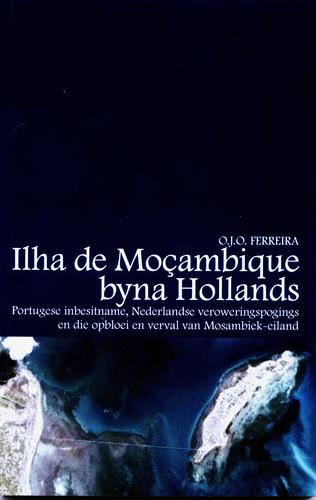
Ilha de Moçambique
0
0
As an Amazon Associate and affiliate partner, Menrva Books earns from qualifying purchases. Learn more
Author Description
Had the Dutch succeeded in wresting the Fortaleza de São Sebastião on the Ilha de Moçambique from the Portugese in the early 17th Century then the Cape of Good Hope would not have been Holland’s. It was Eric Axelson in particular who emphasised the importance of the Dutch blockades of the Ilha de Moçambique and the failed attempts to take the Fortaleza on the island in 1604, 1607 en 1608 as being seminal in the unfolding of South African history. The somewhat obscure tale of the conflict between the Portuguese and Dutch for possession of the Ilha de Moçambique is fascinating and sometimes dramatic. Much of the nature and character of the Dutch and Portuguese peoples will be discovered in reading of the behaviour of the conflicting parties and their leaders. It was a time that acts of piracy, wonton destruction and severe cruelties between Roman-Catholic Portuguese and Protestant Dutch were the order of the day. But the main charater of the story is the Ilha de Moçambique itself. This island, almost insignificant in size, played a major role in the drama of the Carreira da Índia. Thanks to its strategic location and the prevailing trade in gold, ivory and slaves, the island flourished for centuries but in the 19th its glory began to fade and by the 20th had decayed into charm. In 1991 UNESCO declared Ilha de Moçambique a World Heritage Site because of its rich historical importance, architectural significance, cultural history and natural beauty. This study is an attempt to reveal in words something of the magnificence of this tiny island, [which is Ilha de Moçambique].
Menrva's Summary
THE THESIS
The strategic importance of the Ilha de Moçambique in the early 17th century determined the future of Dutch colonization in Southern Africa. This book explores the pivotal, yet often overlooked, conflict between the Portuguese and the Dutch for control of the Ilha de Moçambique and its fortress, Fortaleza de São Sebastião. The author highlights the significance of failed Dutch attempts to capture the island in the early 1600s, arguing that their success would have altered the course of South African history. The narrative delves into the brutal realities of the era, including piracy and cruelty, while also examining the cultural characteristics of the Portuguese and Dutch peoples through their actions.
THE SCOPE MAP
- What You Will Find:
- The historical context of the Dutch East India Company's ambitions in the 17th century.
- Detailed accounts of the Dutch blockades and failed sieges of the Ilha de Moçambique in 1604, 1607, and 1608.
- Analysis of the strategic and economic importance of the Ilha de Moçambique, including its role in the trade of gold, ivory, and slaves.
- Exploration of the cultural and behavioral aspects of the Portuguese and Dutch during their conflict.
- The decline of the island's prominence in the 19th century and its subsequent decay.
- The recognition of Ilha de Moçambique as a UNESCO World Heritage Site in 1991 and its enduring historical, architectural, and cultural significance.
THE AUTHORITY PERSPECTIVE
The book examines the historical significance of the Ilha de Moçambique, particularly focusing on the Dutch attempts to control it in the early 17th century. It posits that the failure of these attempts had a profound impact on the subsequent history of the Cape of Good Hope and South Africa. The study also touches upon the broader context of the Carreira da Índia and the island's eventual decline and recognition as a World Heritage Site.
Page Count:
133
Publication Date:
2010-01-01
ISBN-10:
0620450576
ISBN-13:
9780620450577
Non-Fiction
History
Maritime history
Colonial History
Community Tags
Similar Books