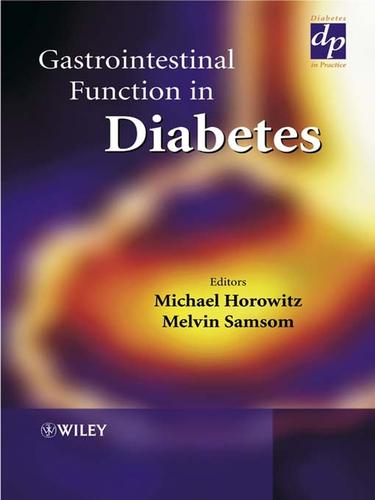
Gastrointestinal Function in Diabetes Mellitus
0
0
As an Amazon Associate and affiliate partner, Menrva Books earns from qualifying purchases. Learn more
Author Description
Gastrointestinal function represents an important, and hitherto inappropriately neglected, aspect of diabetes management. Disordered gastrointestinal motor and sensory function occurs frequently in both type 1 and type 2 diabetes and may be associated with gastrointestinal symptoms that adversely affect quality of life. During the last two decades there has been a rapid expansion in knowledge in this area. It is now recognised that upper gastrointestinal motility is pivotal to the regulation of postprandial blood glucose concentrations in both health and patients with diabetes. This book is the first of its kind and was stimulated by the need to consolidate these recent advances, which dictate that a knowledge of gastroenterology as it relates to diabetes is now required of the clinician/diabetologist. Features an organ-specific overview of the epidemiology and pathophysiology of disordered gastrointestinal (including hepatobiliary and pancreatic) function in diabetes mellitus Contains guidelines for the clinician, diabetologist and gastroenterologist for both diagnosis and management Includes a comprehensive description of the relation between gastrointestinal function, gastrointestinal hormones, autonomic nerve function and glycaemic control in animal models Covers the development of new treatment options, particularly those targeted at the reduction of postprandial hyperglycaemia, to optimise glycaemic control This book will be of interest to gastroenterologists, diabetologists, specialist nurses and clinical researchers.
Menrva's Summary
THE THESIS
This book addresses the critical, yet often overlooked, role of gastrointestinal function in the management of diabetes mellitus. It consolidates recent advances in understanding how disordered gastrointestinal motor and sensory function, prevalent in both type 1 and type 2 diabetes, impacts patient quality of life and glycemic control. The work details the pivotal role of upper gastrointestinal motility in regulating postprandial blood glucose and explores the complex interplay between gastrointestinal hormones, autonomic nerve function, and glycemic regulation.
THE SCOPE MAP
- What You Will Find:
- Organ-specific overview of the epidemiology and pathophysiology of disordered gastrointestinal function in diabetes mellitus, including hepatobiliary and pancreatic aspects.
- Guidelines for diagnosis and management tailored for clinicians, diabetologists, and gastroenterologists.
- Comprehensive description of the relationship between gastrointestinal function, gastrointestinal hormones, autonomic nerve function, and glycaemic control, referencing animal models.
- Coverage of new treatment options, particularly those targeting the reduction of postprandial hyperglycemia to optimize glycemic control.
THE AUTHORITY PERSPECTIVE
This book is positioned as a foundational text for specialists dealing with the intersection of diabetes and gastrointestinal health. Its comprehensive scope, covering epidemiology, pathophysiology, and clinical management, suggests it is intended for a professional audience seeking detailed, evidence-based information. The focus on recent advances and new treatment options indicates a commitment to providing up-to-date knowledge for gastroenterologists, diabetologists, specialist nurses, and clinical researchers.
Page Count:
0
Publication Date:
2004-01-01
ISBN-10:
047086964X
ISBN-13:
9780470869642
Science
Non-Fiction
Medical research
Diabetes
Community Tags
Similar Books