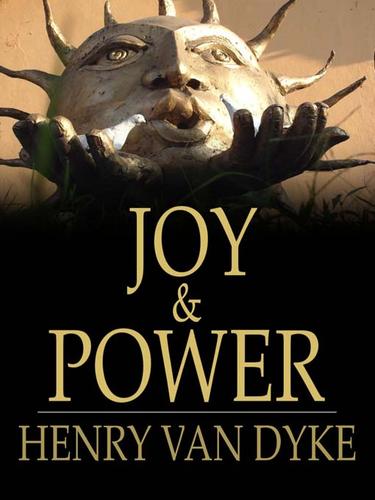
Joy & Power
0
0
As an Amazon Associate and affiliate partner, Menrva Books earns from qualifying purchases. Learn more
Author Description
The desire of happiness, beyond all doubt, is a natural desire. It is the law of life itself that every being seeks and strives toward the perfection of its kind, the realization of its own specific ideal in form and function, and a true harmony with its environment. Every drop of sap in the tree flows toward foliage and fruit. Every drop of blood in the bird beats toward flight and song. In a conscious being this movement toward perfection must take a conscious form. This conscious form is happiness, - the satisfaction of the vital impulse, - the rhythm of the inward life, - the melody of a heart that has found its keynote. To say that all men long for this is simply to confess that all men are human, and that their thoughts and feelings are an essential part of their life. Virtue means a completed manhood. The joyful welfare of the soul belongs to the fulness of that ideal. Holiness is wholeness. In striving to realize the true aim of our being, we find the wish for happiness implanted in the very heart of our effort.Now what does Christ say in regard to this natural human wish? Does He say that it is an illusion? Does He condemn and deny it? Would He have accepted Goethe's definition: "religion is renunciation"?Surely such a notion is far from the spirit of Jesus. There is nothing of the hardness of Stoicism, the coldness of Buddhism, in Christ's gospel. It is humane, sympathetic, consoling. Unrest and weariness, the fever of passion and the chill of despair, soul-solitude and heart-trouble, are the very things that He comes to cure. He begins His great discourse with a series of beatitudes. "Blessed" is the word. "Happy" is the meaning. Nine times He rings the changes on that word, like a silver bell sounding from His fair temple on the mountain-side, calling all who long for happiness to come to Him and find rest for their souls.Christ never asks us to give up merely for the sake of giving up, but always in order to win something better. He comes not to destroy
Menrva's Summary
THE THESIS
THE THESIS
This book investigates the nature of happiness and its relationship to spiritual fulfillment and a virtuous life, particularly through the lens of Christ's teachings. Henry Van Dyke, a noted author and clergyman, draws upon his theological and literary background to argue that true happiness is not a renunciation of life's desires, but rather a conscious realization of one's inherent potential and a harmonious existence. He contrasts this with philosophies that advocate for mere self-denial, asserting that Christ's message is one of healing and fulfillment.
THE SCOPE MAP
- Exploration of the natural human desire for happiness.
- Analysis of Christ's teachings on blessedness and fulfillment, particularly the Beatitudes.
- Argument that true happiness is aligned with virtue and spiritual wholeness.
- Contrast between Christ's humane gospel and philosophies of renunciation.
- Discussion of happiness as the satisfaction of vital impulses and the rhythm of the inward life.
THE AUTHORITY PERSPECTIVE
The book appears to be a theological and philosophical exploration of happiness, likely appealing to readers interested in Christian teachings and personal well-being. The author's background suggests a text that is both intellectually rigorous and spiritually encouraging. The focus on Christ's message as a source of true happiness indicates a perspective that emphasizes fulfillment over asceticism. It is likely to be regarded as a thoughtful reflection on enduring human aspirations.
Page Count:
0
Publication Date:
2009-01-01
ISBN-10:
1775412695
ISBN-13:
9781775412694
Non-Fiction
Philosophy
Self-help
Spirituality
Community Tags
Similar Books