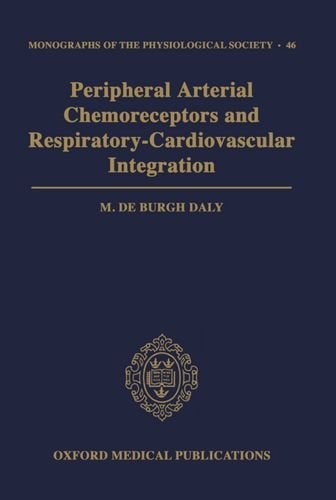
Peripheral Arterial Chemoreceptors and Respiratory-Cardiovascular Integration
0
0
As an Amazon Associate and affiliate partner, Menrva Books earns from qualifying purchases. Learn more
Author Description
The peripheral arterial chemoreceptors are small organs, situated in the neck and chest, that play an important role in the control of the heart and circulation. Stimulation of the chemoreceptors can occur as a result of changes in respiration, for example, when the body is partly deprived of oxygen. The book provides the first detailed account of all the important research done in this field, from the first discovery of chemoreceptors, up to the present day, and the work currently being done within this area. Throughout the book there is an emphasis on methodology and experimental design. As well as being of considerable interest to physiologists, the book contains chapters that would appeal to those interested in the historical, morphological, medico-legal, and clinical aspects of the subject.
Menrva's Summary
THE THESIS
This monograph investigates the physiological function and regulatory role of peripheral arterial chemoreceptors in the integration of respiratory and cardiovascular systems. M. de Burgh Daly, a distinguished physiologist, synthesizes decades of experimental data to explain how these small organs detect chemical changes in the blood and trigger systemic responses. The text provides a comprehensive framework for understanding the mechanisms of oxygen deprivation and the subsequent reflexive control of heart rate and blood pressure.
THE SCOPE MAP
What You Will Find
- Detailed historical overview of chemoreceptor discovery and research evolution
- Analysis of experimental methodologies and design in physiological studies
- Morphological and anatomical descriptions of chemoreceptor sites in the neck and chest
- Clinical and medico-legal implications of chemoreceptor stimulation
- Integration of respiratory and cardiovascular reflex pathways
THE AUTHORITY PERSPECTIVE
Experts recognize this work as a foundational text for understanding the complex feedback loops governing autonomic regulation. Readers frequently note the academic density of the prose, which serves as a rigorous reference for researchers and clinicians in the field of cardiovascular physiology.
Page Count:
762
Publication Date:
1997-04-03
Publisher:
Clarendon Press
ISBN-10:
0198576757
ISBN-13:
9780198576754
Science
Medicine
Physiology
MEDICAL History
Chemoreceptors
Cardiology
Community Tags
Similar Books