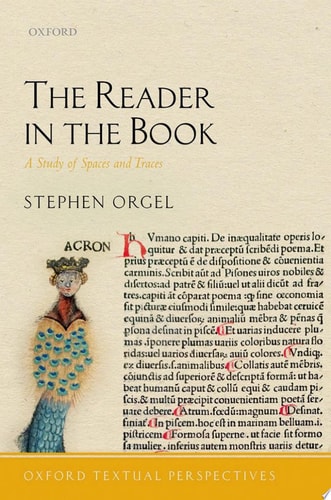
The Reader in the Book: A Study of Spaces and Traces
0
0
As an Amazon Associate and affiliate partner, Menrva Books earns from qualifying purchases. Learn more
Author Description
The Reader in the Book is concerned with a particular aspect of the history of the book, an archeology and sociology of the use of margins and other blank spaces. One of the most commonplace aspects of old books is the fact that people wrote in them, something that, until very recently, has infuriated modern collectors and librarians. But these inscriptions constitute a significant dimension of the book's history, and what readers did to books often added to their value. Sometimes marks in books have no relation to the subject of the book, merely names, dates, prices paid; blank spaces were used for pen trials and doing sums, and flyleaves are occasionally the repository of records of various kinds. The Reader in the Book deals with that special class of books in which the text and marginalia are in intense communication with each other, in which reading constitutes an active and sometimes adversarial engagement with the book. The major examples are works that are either classics or were classics in their own time; but they are seen here as contemporaries read them, without the benefit of centuries of commentary and critical guidance. The underlying question is at what point marginalia, the legible incorporation of the work of reading into the text of the book, became a way of defacing it rather than of increasing its value-why did we want books to lose their history?
Menrva's Summary
THE THESIS
This study investigates the historical shift in how marginalia and reader inscriptions are perceived, questioning why modern standards transitioned from valuing these traces to viewing them as defacement. Stephen Orgel, a scholar of Renaissance literature and textual history, utilizes a wide array of historical volumes to examine the sociology of the book. He argues that the physical interaction between reader and page—ranging from simple pen trials to adversarial commentary—constitutes a vital, often overlooked dimension of a book's cultural history.
THE SCOPE MAP
What You Will Find
- An analysis of the sociology and archaeology of blank spaces in historical texts.
- Examination of diverse marginalia including prices, dates, pen trials, and critical commentary.
- Case studies of classic works as they were interpreted by contemporary readers before the influence of modern critical consensus.
- A historical inquiry into the changing value systems of collectors and librarians regarding annotated books.
THE AUTHORITY PERSPECTIVE
Scholars and bibliophiles recognize this work as a significant contribution to the history of the book and the study of reader reception. Experts frequently note that Orgel provides a necessary academic framework for understanding how physical interaction with texts informs our broader comprehension of literary history.
Page Count:
256
Publication Date:
2015-12-29
Publisher:
Oxford University Press
ISBN-10:
0198737564
ISBN-13:
9780198737568
History
Sociology
Books history
Academic
Literary Criticism
Community Tags
Similar Books