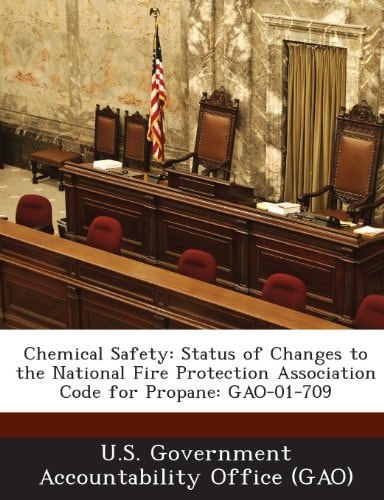
Chemical Safety Status of Changes to the National Fire Protection Association Code for Propane
0
0
As an Amazon Associate and affiliate partner, Menrva Books earns from qualifying purchases. Learn more
Author Description
Liquefied petroleum gas (propane) has thousands of uses in homes, farms, and workplaces and is widely available in the United States. Although propane can be stored and handled safely, serious propane-related accidents have resulted in death and the destruction of property. At times, the efforts of local emergency personnel to respond to such accidents have been impeded by lack of hazard and safety information. This report describes (1) relevant revisions to the 1998 version of the code that were published in the 2001 version, as well as the process used to revise the code, (2) the views of key stakeholders about whether the 2001 version of the code provides local emergency response personnel with enough information to prepare for and respond to emergencies involving propane, and (3) the status of state and local government adoption of the 2001 code. The 2001 version of the NFPA code strengthens provisions of previous versions regarding information on the off-site effects of accidental propane releases. According to the nine key stakeholders interviewed by GAO, the 2001 version of the code would make more information available to local emergency response personnel. All but one of the stakeholders said that additional changes to the code or the process for revising the code may be needed. GAO was unable to determine the overall status of state and local government adoption of the 2001 version of the code.
Menrva's Summary
THE THESIS
This report investigates the chemical safety implications of changes made to the National Fire Protection Association (NFPA) Code concerning propane. The U.S. Government Accountability Office (GAO) examines revisions from the 1998 to the 2001 version of the NFPA code, focusing on the process of these revisions and their impact on emergency response. The report assesses whether the 2001 code provides adequate hazard and safety information for local emergency personnel dealing with propane-related accidents, which have historically caused fatalities and property destruction. It also addresses the adoption status of the 2001 code by state and local governments.
THE SCOPE MAP
- Analysis of revisions to the NFPA code for propane from the 1998 to the 2001 version.
- Examination of the code revision process.
- Stakeholder views on the adequacy of the 2001 code for emergency response.
- Assessment of the status of state and local government adoption of the 2001 code.
- Discussion of strengthened provisions regarding off-site effects of accidental propane releases in the 2001 code.
THE AUTHORITY PERSPECTIVE
The report indicates that the 2001 version of the NFPA code strengthens provisions for information on the off-site effects of accidental propane releases. According to interviews with nine key stakeholders, the 2001 version is expected to make more information available to local emergency response personnel. However, all but one stakeholder suggested that further changes to the code or its revision process might be necessary. The GAO was unable to ascertain the overall adoption status of the 2001 code by state and local governments.
Page Count:
22
Publication Date:
2013-06-01
Publisher:
BiblioLife
ISBN-10:
1289063818
ISBN-13:
9781289063818
Science & Technology
Non-Fiction
Safety
Government Reports
Regulations
Community Tags
Similar Books