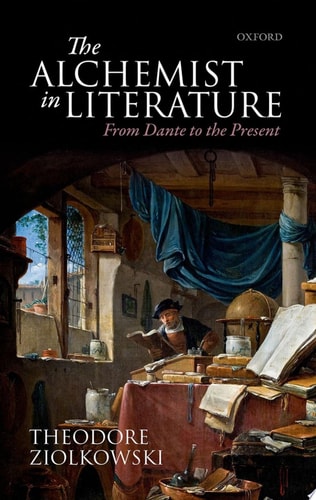
Alchemist in Literature: From Dante to the Present
0
0
As an Amazon Associate and affiliate partner, Menrva Books earns from qualifying purchases. Learn more
Author Description
Unlike most other studies of alchemy and literature, which focus on alchemical imagery in poetry of specific periods or writers, this book traces the figure of the alchemist in Western literature from its first appearance in the Eighth Circle of Dante's Inferno down to the present. From the beginning alchemy has had two aspects: exoteric or operative (the transmutation of baser metals into gold) and esoteric or speculative (the spiritual transformation of the alchemist himself). From Dante to Ben Jonson, during the centuries when the belief in exoteric alchemy was still strong and exploited by many charlatans to deceive the gullible, writers in major works of many literatures treated alchemists with ridicule in an effort to expose their tricks. From the Renaissance to the Enlightenment, as that belief weakened, the figure of the alchemist disappeared, even though Protestant poets in England and Germany were still fond of alchemical images. But when eighteenth-century science almost wholly undermined alchemy, the figure of the alchemist began to emerge again in literature--now as a humanitarian hero or as a spirit striving for sublimation. Following these esoteric romanticizations, as scholarly interest in alchemy intensified, writers were attracted to the figure of the alchemist and his quest for power. The fin-de-siecle saw a further transformation as poets saw in the alchemist a symbol for the poet per se and others, influenced by the prevailing spiritism, as a manifestation of the religious spirit. During the interwar years, as writers sought surrogates for the widespread loss of religious faith, esoteric alchemy underwent a pronounced revival, and many writers turned to the figure of the alchemist as a spiritual model or, in the case of Paracelsus in Germany, as a national figurehead. This tendency, theorized by C. G. Jung in several major studies, inspired after World War II a vast popularization of the figure in novels--historical, set in the present, or juxta
Menrva's Summary
THE THESIS
How has the literary representation of the alchemist evolved from the medieval period to the modern era? Theodore Ziolkowski, a distinguished scholar of German and comparative literature, examines the shifting perception of the alchemist as both a charlatan and a spiritual seeker. By analyzing a broad range of Western texts, he argues that the figure of the alchemist serves as a mirror for changing cultural attitudes toward science, religion, and the role of the artist.
THE SCOPE MAP
What You Will Find
- A chronological survey of the alchemist figure from Dante’s Inferno to twentieth-century literature.
- Analysis of the distinction between exoteric operative alchemy and esoteric spiritual transformation.
- Examination of the influence of C. G. Jung’s psychological theories on the modern literary revival of alchemical themes.
- Comparative study of how English, German, and other European writers utilized alchemical imagery across different historical periods.
THE AUTHORITY PERSPECTIVE
Scholars and critics recognize this work as a comprehensive reference for understanding the intersection of occult history and literary tradition. Readers frequently note the academic density of the prose, which provides a rigorous framework for those interested in the evolution of symbolic archetypes in Western thought.
Page Count:
240
Publication Date:
2015-12-15
Publisher:
Oxford University Press
ISBN-10:
0198746830
ISBN-13:
9780198746836
History
European
Literary Criticism
Alchemy
Community Tags
Similar Books