A Magnificent Obsession
0
0
As an Amazon Associate and affiliate partner, Menrva Books earns from qualifying purchases. Learn more
Author Description
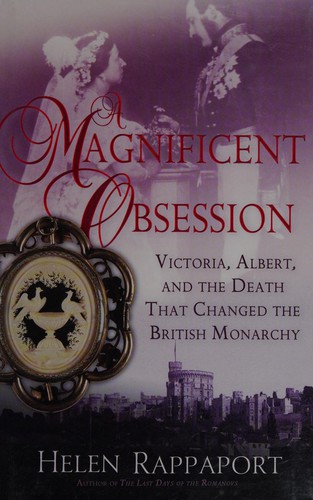
Queen Victoria's husband, Prince Albert, succumbed to typhoid fever in 1861. He was forty-two and official bulletins had, until the previous day, given no cause for alarm. His death was a catastrophe for Victoria, who relied on him utterly. The Queen donned the widow's weeds that she would wear for forty years and retreated into a state of pathological grief which nobody could penetrate and few understood. Her refusal to return to public life alienated even her closest family and led to a resurgence of reppublicanism and even talk of abdication. Rappaport tracks Victoria's mission to commemorate her husband in perpetuity, planning monuments that would set their stamp on the art and culture not just of her reign but of Britain today.
Menrva's Summary
THE THESIS
Prince Albert's untimely death plunges Queen Victoria into a profound and prolonged state of grief that threatens to destabilize the monarchy. Following Prince Albert's death from typhoid fever at the age of forty-two, Queen Victoria retreated into a pathological mourning period that lasted for forty years. Her withdrawal from public life caused widespread alienation, fueled republican sentiment, and even raised the specter of abdication. The book details Victoria's subsequent mission to immortalize her husband through monumental projects that would leave a lasting mark on British art and culture.
THE SCOPE MAP
- The immediate aftermath of Prince Albert's death and the official bulletins that masked the severity of his illness.
- Queen Victoria's descent into pathological grief and her forty-year period of mourning.
- The public and political consequences of Victoria's withdrawal from public life, including resurgent republicanism and talk of abdication.
- Victoria's efforts to commemorate Prince Albert through extensive monument planning.
- The lasting impact of these commemorative projects on British art and culture during her reign and beyond.
THE AUTHORITY PERSPECTIVE
The book chronicles Queen Victoria's deep mourning following Prince Albert's death and her subsequent efforts to memorialize him. It examines the impact of her prolonged grief on her reign and the British public. The narrative focuses on Victoria's mission to create lasting tributes to her husband, shaping the art and culture of the era. The author traces how these commemorative projects left an indelible mark on Britain.
Page Count:
483
Publication Date:
2012-01-01
ISBN-10:
1445894041
ISBN-13:
9781445894041
History
Non-Fiction
Biography
Victorian Era
Community Tags
Similar Books