Author Description
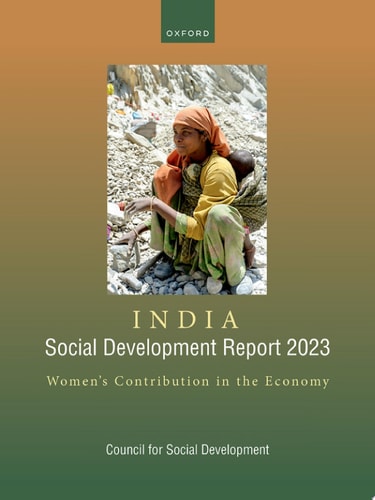
This report highlights that gender inequalities and women's subordination in India are caused by two formidable macro-structures: patriarchy and the exclusion of unpaid work from the macro-economy. Both these structures reinforce each other and negatively impact women's empowerment. Patriarchy imposes subordination on women and forces a disproportionately higher share of unpaid domestic services and unpaid care onto them. This is unfair and unjust - a violation of basic human rights. Other structures like race, religion, and caste cut across these main structures. The selected papers in this report show how patriarchy causes gender inequalities in all critical dimensions of women's life on the one hand, and how unpaid domestic services and unpaid care sustains the macro-economy and its growth on the other. The contributors discuss pathways to integrate unpaid work with the macro-economy such that the strength of patriarchy declines and at the same time gender equality is promoted. To put it differently, unless the structures are addressed by integrating unpaid work, inequalities cannot be addressed effectively. The report emphasizes that this is the only way to move to real macroeconomics. The papers have explored pathways to break these structures gradually to achieve gender equality and empower women. Though the path is challenging, it is feasible to reach the goal of pervasive gender equality.
Menrva's Summary
THE THESIS
This report investigates how the intersection of patriarchal structures and the exclusion of unpaid labor from the macro-economy perpetuates systemic gender inequality in India. Indira Hirway and a team of contributors analyze the economic and social mechanisms that enforce women's subordination. The report argues that true macroeconomic progress is impossible without integrating unpaid domestic and care work into the national economic framework, providing a roadmap for policy reform and structural change.
THE SCOPE MAP
What You Will Find
- Analysis of the macro-economic impact of unpaid domestic and care services.
- Examination of how patriarchy intersects with caste, religion, and race.
- Theoretical frameworks for integrating unpaid labor into national economic models.
- Proposed policy pathways to dismantle structural barriers to gender equality.
THE AUTHORITY PERSPECTIVE
Experts recognize this report as a significant contribution to the discourse on feminist economics and development policy in India. Readers frequently note the academic density of the prose and the rigorous, evidence-based approach to challenging traditional economic metrics.
Page Count:
400
Publication Date:
2024-01-01
Publisher:
Oxford University Press
ISBN-10:
0198885970
ISBN-13:
9780198885979
Economics
India
Gender Studies
Public Policy
Sociology
Social Science
Community Tags
Similar Books