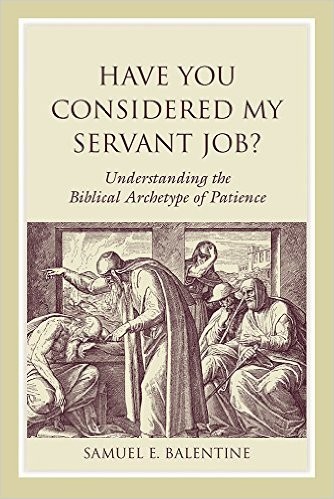
Have You Considered My Servant Job?
0
0
As an Amazon Associate and affiliate partner, Menrva Books earns from qualifying purchases. Learn more
Author Description
The question that launches Job's story is posed by God at the outset of the story: "Have you considered my servant Job?" (1:8; 2:3). By any estimation the answer to this question must be yes. The forty-two chapters that form the biblical story have in fact opened the story to an ongoing practice of reading and rereading, evaluating and reevaluating. Early Greek and Jewish translators emphasized some aspects of the story and omitted others; the Church Fathers interpreted Job as a forerunner of Christ, while medieval Jewish commentators debated conservative and liberal interpretations of God's providential love. Artists, beginning at least in the Greco-Roman period, painted and sculpted their own interpretations of Job. Novelists, playwrights, poets, and musicians--religious and irreligious, from virtually all points of the globe--have added their own distinctive readings. In Have You Considered My Servant Job?, Samuel E. Balentine examines this rich and varied history of interpretation by focusing on the principal characters in the story--Job, God, the Satan figure, Job's wife, and Job's friends. Each chapter begins with a concise analysis of the biblical description of these characters, then explores how subsequent readers have expanded or reduced the story, shifted its major emphases or retained them, read the story as history or as fiction, and applied the morals of the story to the present or dismissed them as irrelevant.
Menrva's Summary
THE THESIS
This book investigates the multifaceted interpretations of the biblical figure of Job and his story throughout history. Samuel E. Balentine, a scholar in the field, analyzes the principal characters of the Book of Job—Job himself, God, the Satan figure, Job's wife, and his friends. The study traces how these characters and their narratives have been understood, reinterpreted, and applied by various translators, theologians, and artists across different eras and cultures, from early Greek and Jewish translators to medieval commentators and modern artists.
THE SCOPE MAP
- Analysis of the biblical portrayal of Job.
- Examination of God's role and depiction in interpretations.
- Exploration of the Satan figure's evolving representation.
- Study of Job's wife and her significance in various readings.
- Investigation into the interpretations of Job's friends.
- Discussion of how different readers have expanded or reduced the original narrative.
- Analysis of shifts in the story's emphasis across different interpretations.
- Consideration of whether the story is read as history or fiction.
THE AUTHORITY PERSPECTIVE
The book examines the extensive history of interpretation surrounding the biblical Book of Job. It focuses on how key characters like Job, God, Satan, Job's wife, and his friends have been understood and re-envied across different historical periods and cultural contexts. The analysis highlights the diverse ways readers have engaged with the text, from ancient translators to medieval commentators and modern artists, exploring shifts in emphasis and application. This comprehensive approach reveals the enduring and evolving significance of Job's narrative.
Page Count:
287
Publication Date:
2015-01-01
ISBN-10:
1611174511
ISBN-13:
9781611174519
Non-Fiction
Theology
Literary Criticism
Community Tags
Similar Books