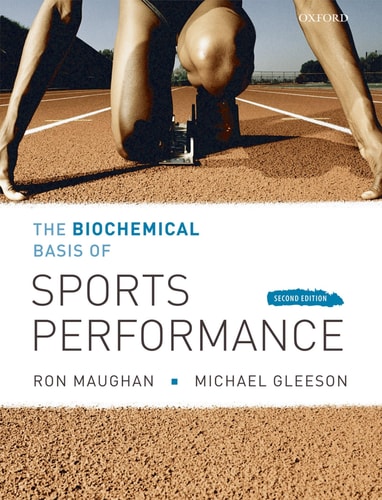
The Biochemical Basis of Sports Performance
0
0
As an Amazon Associate and affiliate partner, Menrva Books earns from qualifying purchases. Learn more
Author Description
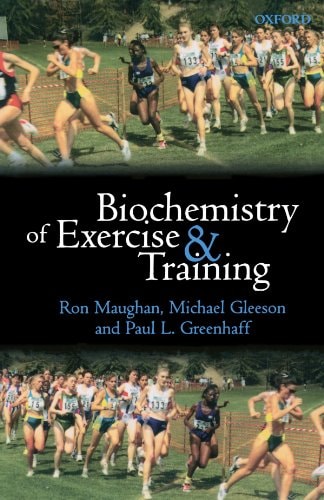
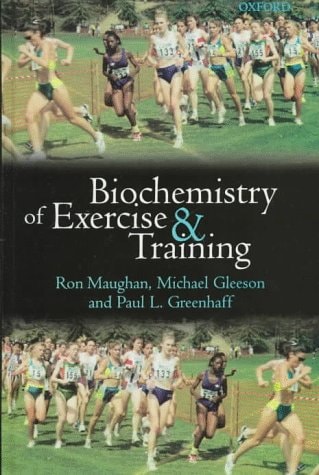
Some understanding of the biochemistry of exercise is fundamental to any study of the factors that contribute to sports performance. It is the physical, chemical and biochemical properties of cells and tissues that determine the physiological responses to exercise, and yet the teaching of exercise biochemistry is poorly developed compared with exercise physiology. Where the subject is taught, the student often finds the approach somewhat daunting, with its focus on thermodynamics, chemical structures and metabolic pathways.Many students find the subject difficult, when it should not be so. This book introduces the student of sports science or exercise physiology to the biochemical processes that underpin exercise performance and the adaptations that occur with training. The focus is on skeletal muscle metabolism and the provision of energy for working muscles and the principles of exercise biochemistry are introduced in a context that is immediately relevant to the student of sports science.Instead of the traditional approach of working through the main classes of biomolecules and metabolic pathways, the subject is tackled by considering the biochemical processes involved in energy provision for different sports events and the way in which limitations in energy supply can cause fatigue, and thus limit performance. Recovery from exercise is important for athletes who train and compete with only a limited rest period, and the biochemical processes that influence recovery and restoration of performance capacity are also addressed. The processes fuelling the activities that contribute to sport form the core of this book, together with the changes that occur with training and the role of diet in providing the necessary fuels. But sporting talent is a rare gift, and a brief description of its hereditary basis is included.DT A complete introduction to the biochemical basis of sports performance, appealing to undergraduate students, coaches, and athletesDT Numerous links made between biochemistry and physiology for an integrated view of the subjectDT The student is directed to carefully chosen further reading articles, allowing them to readily explore key topics in more detailOnline Resource CentreThe Online Resource Centre to accompany The Biochemical Basis of Sports Performance features:For students:DT 'In the News' updatesDT Multiple choice questionsDT Hyperlinked bibliographyDT Extended case study following an athlete through a season, with exercisesFor lecturers:DT Figures from the book, available to download
Menrva's Summary
THE THESIS
This book investigates the biochemical mechanisms that underpin human sports performance and the physiological adaptations resulting from athletic training. Authors Michael Gleeson and Robert J. Maughan, both established experts in exercise science, move away from traditional, abstract biochemical instruction to provide a framework centered on energy metabolism. By focusing on the specific demands of various sports events, the text bridges the gap between complex chemical pathways and practical athletic application.
THE SCOPE MAP
What You Will Find
- Analysis of skeletal muscle metabolism and energy provision systems.
- Examination of biochemical factors contributing to fatigue and performance limitations.
- Discussion of recovery processes and the restoration of performance capacity.
- Exploration of the role of diet and nutrition in fueling athletic activity.
- Overview of the hereditary basis of sporting talent.
THE AUTHORITY PERSPECTIVE
Experts and educators recognize this text as a vital resource for simplifying complex metabolic concepts for students of sports science. Readers frequently note that the book successfully translates dense biochemical data into a format that is directly applicable to coaching and athletic training programs.
Page Count:
316
Publication Date:
2010-07-15
Publisher:
Oxford University Press
ISBN-10:
019920828X
ISBN-13:
9780199208289
Biochemistry
Exercise Physiology
Human Performance
Sports Medicine
Sports Science
Community Tags
Similar Books



Reader Comments
Share Your Thoughts
No comments yet. Be the first to share your thoughts!