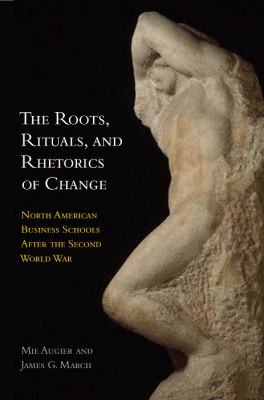
The Roots, Rituals, and Rhetorics of Change: North American Business Schools After the Second World War
0
0
As an Amazon Associate and affiliate partner, Menrva Books earns from qualifying purchases. Learn more
Author Description
Some rather remarkable changes took place in North American business schools between 1945 and 1970, altering the character of these institutions, the possibilities for their future, and the terms of discourse about them. This period represents a minor revolution, during which business school are reported to have become more academic, more analytic, and more quantitative. This book considers these changes and explores their roots.
Menrva's Summary
THE THESIS
The post-World War II era witnessed a profound transformation in North American business schools, shifting their academic identity and analytical approaches. This book examines the roots of these significant changes, which occurred between 1945 and 1970, fundamentally altering the institutions' character, future trajectories, and the discourse surrounding them. The period is characterized as a minor revolution, during which business schools reportedly became more academic, more analytical, and more quantitative. The author explores the underlying causes and contributing factors to this academic evolution.
THE SCOPE MAP
- The evolution of North American business schools from 1945 to 1970.
- Analysis of increased academic rigor and quantitative methods in business education.
- Exploration of the discourse and rhetoric surrounding changes in business schools.
- Examination of the roots and underlying causes of these transformations.
THE AUTHORITY PERSPECTIVE
The book examines a period of significant change in North American business schools, focusing on the shift towards greater academic and quantitative approaches. The author's analysis delves into the roots of these transformations, exploring the discourse and rhetoric that accompanied this evolution. The subject matter points to a dense, specialist text likely of interest to academics, historians of education, and those involved in business school administration. It offers a historical perspective on the development of modern business education.
Page Count:
364
Publication Date:
2011-01-01
ISBN-10:
0804776164
ISBN-13:
9780804776165
Business
History
Non-Fiction
Education
Community Tags
Similar Books