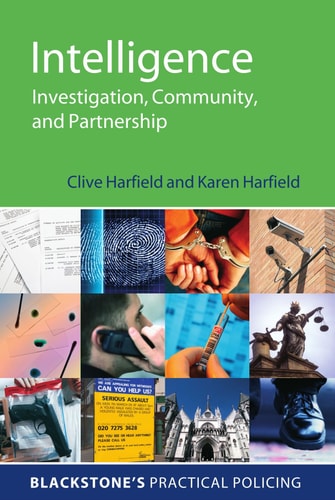
Intelligence: Investigation, Community and Partnership
0
0
As an Amazon Associate and affiliate partner, Menrva Books earns from qualifying purchases. Learn more
Author Description
This title provides a clear introduction and practical guide to the use of intelligence in policing, offering detailed explanations of relevant legislation and establishing the theoretical and operational context and rationale within which intelligence can be used.The relationship between criminal procedural law and intelligence-gathering is outlined and different generic sources of intelligence (overt and covert) are introduced. The book offers advice on planning an intelligence operation, analyzing and evaluating information, using intelligence-based evidence in court, identifying risk and protecting sensitive sources. It also summarizes the role of key agencies involved in intelligence gathering, outlines the National Intelligence Model and draws together key findings from the Butler and Bichard enquiries.
Menrva's Summary
THE THESIS
This book investigates the operational framework and legal requirements necessary for the effective application of intelligence within modern policing. Authors Clive and Karen Harfield draw upon their expertise in criminal justice to synthesize the complex relationship between intelligence-gathering methodologies and criminal procedural law. The text provides a structured rationale for how intelligence informs decision-making, risk assessment, and the successful prosecution of criminal activity within a regulated environment.
THE SCOPE MAP
What You Will Find
- Detailed analysis of the National Intelligence Model and its application in law enforcement.
- Practical guidance on planning intelligence operations and evaluating information sources.
- Examination of the legal intersection between covert intelligence gathering and courtroom evidence.
- Synthesis of key findings from the Butler and Bichard enquiries regarding institutional intelligence failures.
THE AUTHORITY PERSPECTIVE
Experts and practitioners frequently cite this work as a foundational text for understanding the intersection of intelligence and police procedure. Readers often note the academic density of the prose, which makes it a standard resource for students and professionals navigating the complexities of criminal justice legislation.
Page Count:
250
Publication Date:
2008-05-11
Publisher:
Blackstone Press
ISBN-10:
019923003X
ISBN-13:
9780199230037
True Crime
Criminology
Great Britain
Law Enforcement
Law
Policing
Reference
Community Tags
Similar Books