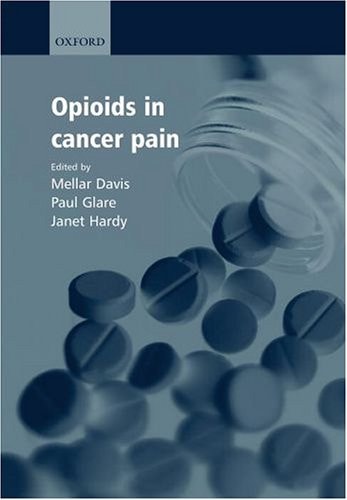
Opioids in Cancer Pain
0
0
As an Amazon Associate and affiliate partner, Menrva Books earns from qualifying purchases. Learn more
Author Description
Opioids have become invaluable in modern medicine, but it is essential that they are prescribed with an understanding of the complex pharmacology behind their effectiveness. Without this, they will frequently fail to achieve their enormous potential of pain relief, minimal side effects, and improved function. In addition, opioids come with problems, including side effects such as constipation, respiratory depression, and sedation, as well as the potential for substance abuse. Clinicians handling the complex pain problems of cancer patients must incorporate the insight of basic scientists and pharmacologists, and this new edition of this comprehensive text brings together a wealth of experience from those involved in all aspects of opioids, with a view to improving both clinician understanding and patient care.The text includes comprehensive coverage of the principles of opioid pharmacodynamics, pharmacokinetics, and pharmacogenetics. A chapter is dedicated to each of the main opioids, with topics such as structure, routes of administration, toxicity, drug interactions, and effects on organ function included within each one. The book concludes with several chapters dedicated to discussion of the major issues relevant to opioid use, including substance abuse, dosing strategies for acute and chronic pain, patient controlled analgesia, equianalgesia, spinal opioids, pain that doesn't respond to opioids, and the terminal phase.This text is the most complete and extensive work available on the use of opioids for cancer pain, and is an important reference for those clinicians treating individuals with cancer.
Menrva's Summary
THE THESIS
This text investigates the clinical application of opioids in cancer pain management by bridging the gap between basic pharmacological science and bedside practice. The authors, a team of experienced clinicians and researchers, argue that effective pain relief requires a deep understanding of pharmacodynamics, pharmacokinetics, and pharmacogenetics. By synthesizing expert knowledge, the book provides a framework for clinicians to optimize patient outcomes while mitigating risks such as side effects and substance abuse.
THE SCOPE MAP
What You Will Find
- Comprehensive analysis of opioid pharmacodynamics, pharmacokinetics, and pharmacogenetics.
- Individual chapters dedicated to specific opioids, detailing structure, administration routes, and toxicity.
- Clinical strategies for managing acute and chronic pain, including patient-controlled analgesia and spinal opioids.
- Discussion of complex issues such as drug interactions, organ function impact, and the terminal phase of care.
THE AUTHORITY PERSPECTIVE
Clinicians and medical professionals recognize this work as a foundational reference for the specialized treatment of cancer-related pain. The text is noted for its clinical density and its ability to synthesize complex pharmacological data into actionable strategies for patient care.
Page Count:
487
Publication Date:
2009-08-03
Publisher:
Oxford University Press
ISBN-10:
019923664X
ISBN-13:
9780199236640
Cancer Pain
Reference
Pharmacology
Opioids
Oncology
Medical
Community Tags
Similar Books