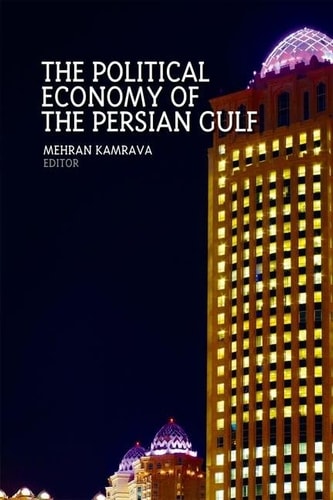
Political Economy of the Persian Gulf
0
0
As an Amazon Associate and affiliate partner, Menrva Books earns from qualifying purchases. Learn more
Author Description
Change occurs rapidly in the Persian Gulf. While some states have capitalised on the fast-paced nature of globalised fiscal transactions and have become important markets for foreign investment, others have fallen victim to such speculations. The "Dubai Model" of economic diversification is being re-evaluated as the GCC states continue to seek the best means of organizing their economies and competing within the global order.Explaining the different ways in which globalising forces have shaped new dimensions to the political economy of the Persian Gulf states, this book evaluates the changes that have occurred, especially in light of the ongoing global economic crisis. Mutually beneficial rentier arrangements have guided the GCC countries formation of oil-based economies and labor relations in the past, but will this necessarily be the case in the future? This book addresses key issues including discussion on the future demographic aspects of the GCC; the feasibility of establishing a GCC monetary union; the effects of rentierism on state autonomy; and analysis of sovereign wealth funds and Islamic banking models.
Menrva's Summary
THE THESIS
This book investigates how globalizing forces and economic volatility have reshaped the political economy of Persian Gulf states, questioning the long-term viability of traditional rentier models. Mehran Kamrava, a scholar specializing in Middle Eastern politics, utilizes a comparative framework to analyze the structural shifts within Gulf Cooperation Council (GCC) nations. The text examines the tension between oil-dependent economic foundations and the necessity for diversification in an era of global financial instability. By evaluating state autonomy and fiscal policy, the author provides a critical assessment of how these nations navigate the complexities of the modern global order.
THE SCOPE MAP
What You Will Find
- Analysis of the Dubai Model and economic diversification strategies
- Examination of demographic shifts and labor relations within the GCC
- Evaluation of sovereign wealth funds and Islamic banking frameworks
- Discussion on the feasibility of a unified GCC monetary union
THE AUTHORITY PERSPECTIVE
Experts identify this work as a significant contribution to the study of rentier states and regional economic development. Readers frequently note the academic density of the prose, which provides a rigorous examination of the political and fiscal challenges facing the Persian Gulf.
Page Count:
276
Publication Date:
2012-03-27
Publisher:
Oxford University Press
ISBN-10:
0199327793
ISBN-13:
9780199327799
Politics
Economics
World politics
Globalization
New Used & Rental Textbooks
Specific Topics
International relations
Community Tags
Similar Books