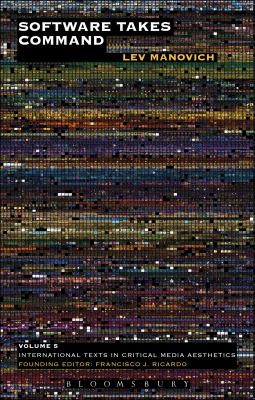
Software Takes Command: Extending the Language of New Media
0
0
As an Amazon Associate and affiliate partner, Menrva Books earns from qualifying purchases. Learn more
Author Description
Software is taking command. As digital technologies become more integrated into our lives, the software that runs them is increasingly shaping our culture and media. In Software Takes Command, Lev Manovich, a pioneer in new media studies, explores the profound impact of software on how we perceive, create, and consume digital content. He analyzes the underlying logic and structures of software, demonstrating how it extends and transforms traditional forms of media, art, and communication. The book examines the cultural implications of this shift, arguing that software is not merely a tool but a new language that commands our digital experience. This work is essential for anyone seeking to understand the digital age.
Menrva's Summary
THE THESIS
The book investigates how software has become a dominant force shaping contemporary culture and media. Lev Manovich, a pioneer in new media studies, explores the profound impact of software on our perception, creation, and consumption of digital content. He analyzes the underlying logic and structures of software, demonstrating how it extends and transforms traditional forms of media, art, and communication. The work examines the cultural implications of this shift, arguing that software is not merely a tool but a new language that commands our digital experience.
THE SCOPE MAP
- Analysis of software's role in shaping visual culture and aesthetics.
- Exploration of how software logic influences artistic creation and media production.
- Discussion of the concept of 'software studies' as a new critical approach.
- Examination of the relationship between software, data, and cultural meaning.
- Case studies of software's impact on photography, cinema, and graphic design.
- Consideration of the historical development of software and its cultural integration.
- The book's argument for understanding software as a new cultural grammar.
THE AUTHORITY PERSPECTIVE
Lev Manovich's 'Software Takes Command' is recognized as a foundational text in the field of software studies, offering a rigorous framework for understanding the pervasive influence of software on contemporary culture. Critics have lauded its theoretical depth and its ability to articulate the often-invisible ways in which code shapes our media environments. The book is considered essential reading for scholars and practitioners interested in digital culture, media theory, and the intersection of technology and the humanities. Its arguments continue to inform discussions about digital aesthetics, media production, and the evolving nature of human-computer interaction.
Page Count:
376
Publication Date:
2013-01-01
ISBN-10:
1623567459
ISBN-13:
9781623567453
Non-Fiction
Science & Technology
Computer Science
Media Studies
Art Theory
Community Tags
Similar Books