Author Description
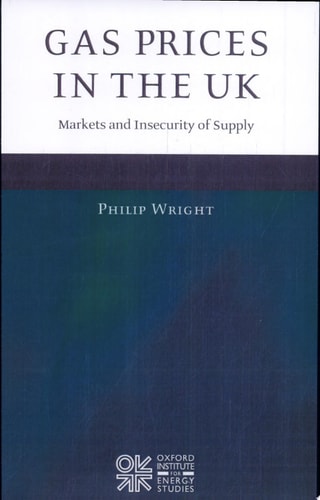
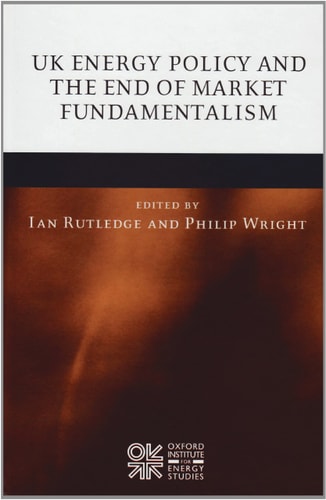
The UK has been at the forefront of the liberalisation of energy industries, privatising and then, over more than two decades, progressively ceding energy policy to market forces. Drawing a parallel between the effect of liberalisation on energy markets with the effect of liberalisation on financial markets, this book provides timely critical analyses of the impact of liberalisation on the UK's energy industries, both upstream and downstream. Divided into 16 chapters, it exposes why market fundamentalism has been controversial for the UK's oil, gas, coal, and electricity industries, each of which is addressed in specific chapters by authors with lengthy specialist experience. In the upstream, there are critical evaluations of the UK's petroleum fiscal regime, of the demise of the coal industry, of gas storage and wholesale markets, and of the electricity wholesale market. In the downstream, there are chapters on company strategies and power over consumers, fuel poverty, and the burden of regulation on companies. Together these two sections reveal why liberalisation has been costly and has resulted in higher prices for domestic consumers. The final section looks to the future. Are the UK's liberalised energy industries and markets equipped to deal with current and future challenges? How far does the market bring security of supply considerations into conflict with the environmental agenda? Can liberalised markets deliver more nuclear power, renewables, and CHP? How might EU policy change agendas in the UK? Whether we will need market redesign or more state control, is the question addressed by each author.
Menrva's Summary
THE THESIS
This book investigates whether the long-term liberalisation of the UK energy sector has failed to provide security of supply, affordable pricing, and environmental sustainability. Ian Rutledge and Philip Wright, both experts in energy economics, compile a series of critical analyses from specialists to evaluate the consequences of ceding energy policy to market forces. The authors argue that the application of market fundamentalism to essential infrastructure has created systemic inefficiencies and social costs that necessitate a re-evaluation of state control versus market mechanisms.
THE SCOPE MAP
What You Will Find
- Detailed analysis of the UK petroleum fiscal regime and the decline of the domestic coal industry.
- Examination of wholesale market dynamics in gas and electricity sectors.
- Case studies on fuel poverty and the impact of corporate strategies on consumer pricing.
- Evaluation of the compatibility between liberalised market structures and future environmental or nuclear energy agendas.
THE AUTHORITY PERSPECTIVE
Experts identify this work as a comprehensive critique of neoliberal energy policy, noting its utility for students and policymakers interested in the intersection of market theory and public utility. Readers frequently highlight the technical depth of the industry-specific chapters as a primary strength for understanding the complexities of the UK energy landscape.
Page Count:
304
Publication Date:
2011-04-01
Publisher:
Oxford Institute for Energy Studies
ISBN-10:
0199593000
ISBN-13:
9780199593002
Economics
Great Britain
United Kingdom
Energy policy
Public Policy
Community Tags
Similar Books