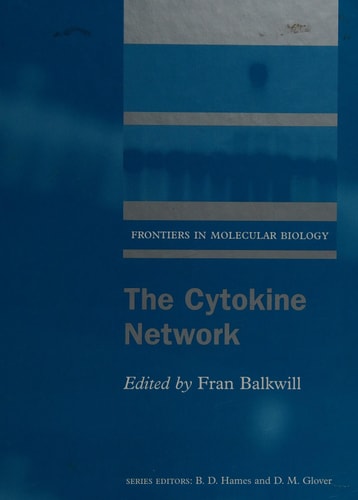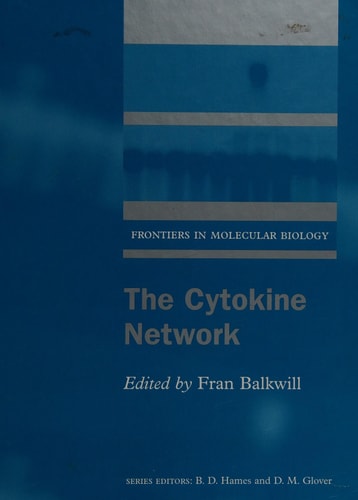
The Cytokine Network
Author Description
Cytokines are soluble mediators of intercellular communication. They contribute to a chemical signalling language that regulates development, tissue repair, haemopoiesis, inflammation and the immune response. Potent cytokine polypepides have pleiotropic activities and functional redundancy. They act in a complex network where one cytokine can influence the production of, and response to, many other cytokines. In the past five years, this bewildering array of more than 100 effector molecules and associated cell surface receptors has been simplified by study of cytokine and cytokine receptor structure; elucidation of convergent intracellular signalling pathways; and molecular genetics, and targeted gene disruption to 'knock-out' production of individual cytokines in mice. It is also now clear that the pathophysiology of infectious, autoimmune and malignant disease can be partially explained by the induction of cytokines and the subsequent cellular response. Viral homologues exist for many cytokines and receptors and genetic variations in cytokine production may influence response to pathogenic stimuli. Cytokine and cytokine antagonists have shown therapeutic potential in a number of chronic and acute diseases. The Cytokine Network: Frontiers in Molecular Biology is not a survey of individual cytokines, but guides the reader through the latest research on the cytokine network as a whole covering genomics, signalling pathways, control of the immune response, and therapeutics.
Menrva's Summary
THE THESIS
This text investigates the complex regulatory mechanisms of the cytokine network and its role in human health and disease. Author Fran Balkwill synthesizes research on the chemical signaling language that governs immune responses, tissue repair, and inflammation. By examining structural biology, intracellular signaling pathways, and molecular genetics, the book provides a framework for understanding how these effector molecules interact within a redundant and pleiotropic system.
THE SCOPE MAP
What You Will Find
- Analysis of cytokine and cytokine receptor structural biology
- Examination of convergent intracellular signaling pathways
- Discussion of targeted gene disruption and knockout mouse models
- Overview of therapeutic applications in infectious, autoimmune, and malignant diseases
THE AUTHORITY PERSPECTIVE
Experts recognize this work as a focused examination of systemic cytokine interactions rather than a general survey of individual molecules. Readers frequently note the technical density of the prose, which is intended for students and researchers familiar with molecular biology and immunology.
Page Count:
199
Publication Date:
2000-03-15
Publisher:
Oxford University Press
ISBN-10:
0199637024
ISBN-13:
9780199637027
Science
Biology
Genetics
Medicine
Immunology
Cytokines
Community Tags
Similar Books