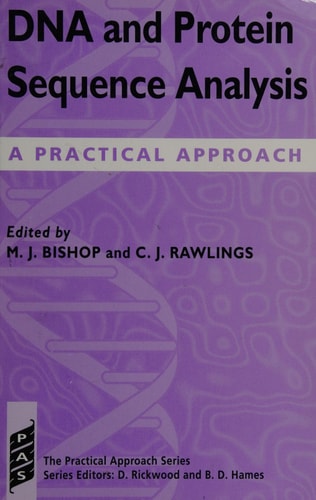
DNA and Protein Sequence Analysis: A Practical Approach
0
0
As an Amazon Associate and affiliate partner, Menrva Books earns from qualifying purchases. Learn more
Author Description
Sequence data--either lists of nucleotides or of amino acids--are now easily gathered using automated equipment; the real effort is involved in interpreting the data to produce predictions of protein structure or function. With the advent of worldwide computer networks, a plethora of software is now available for sequence analysis. This book describes the techniques for computer analysis of sequence data, with the emphasis on general issues rather than specific algorithms. Unlike many books on these topics, which focus on the "how-to" aspects of software packages, this one places more emphasis on the science behind the packages and on interpretation of the results.
Menrva's Summary
THE THESIS
This book investigates the methodology and scientific principles required to interpret DNA and protein sequence data effectively. Authors Chris Rawlings and Martin Bishop leverage their expertise in bioinformatics to move beyond simple software tutorials, providing a framework that prioritizes the underlying biological science and the critical analysis of computational results. The text addresses the challenges posed by the rapid accumulation of sequence data in the era of automated sequencing and global networking.
THE SCOPE MAP
What You Will Find
- Techniques for the computer-based analysis of nucleotide and amino acid sequences.
- A focus on general analytical issues rather than specific software algorithms.
- Methodologies for predicting protein structure and function from raw data.
- Guidance on the interpretation of results generated by sequence analysis software.
THE AUTHORITY PERSPECTIVE
Experts and researchers in the field of bioinformatics recognize this text as a foundational resource for understanding the scientific logic behind sequence analysis tools. Readers frequently note that the book provides a necessary bridge between raw data generation and meaningful biological interpretation.
Page Count:
376
Publication Date:
1997-01-30
Publisher:
Oxford University Press
ISBN-10:
0199634637
ISBN-13:
9780199634637
Science
Dna
Reference
Genetics
Bioinformatics
Biology
Community Tags
Similar Books