Edible Estates
0
0
As an Amazon Associate and affiliate partner, Menrva Books earns from qualifying purchases. Learn more
Author Description
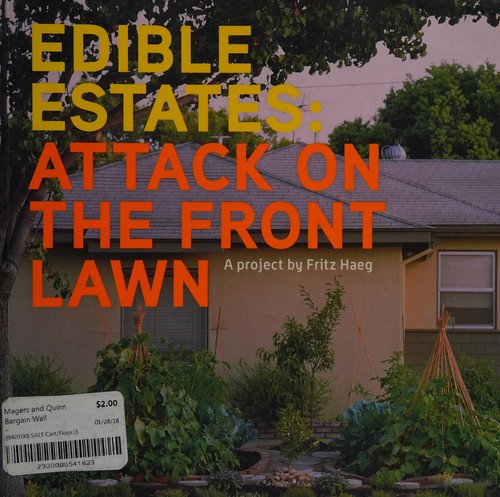
The Edible Estates project proposes the replacement of the domestic front lawn with a highly productive edible landscape. It was initiated by architect and artist Fritz Haeg on Independence Day, 2005, with the planting of the first regional prototype garden in the geographic center of the United States, Salina, Kansas. Since then three more prototype gardens have been created, in Lakewood, California; Maplewood, New Jersey and London, England. Edible Estates regional prototype gardens will ultimately be established in nine cities across the United States. Edible Estates: Attack on the Front Lawn documents the first four gardens with personal accounts written by the owners, garden plans and photographs illustrating the creation of the gardens - from ripping up the grass to harvesting a wide variety of fruits, vegetables and herbs. Essays by Haeg, landscape architect Diana Balmori, garden and food writer Rosalind Creasy, author Michael Pollan and artist and writer Lesley Stern set the Edible Estates project in the context of larger issues concerning the environment, global food production and the imperative to generate a sense of community in our urban and suburban neighborhoods. This smart, affordable and well-designed book also includes reports and photographs from the owners of other edible front yards around the country, as well as helpful resources to guide you in making your own Edible Estate.--Jacket.
Menrva's Summary
THE THESIS
The Edible Estates project challenges the conventional domestic front lawn by proposing its replacement with a productive edible landscape. Initiated by artist Fritz Haeg, this project established regional prototype gardens in various locations across the United States and England, starting in 2005. The book documents these initial four gardens, featuring personal accounts from the homeowners, detailed garden plans, and photographic evidence of their creation and harvest. It situates the project within broader discussions on environmental concerns, global food production, and community building in urban and suburban areas.
THE SCOPE MAP
- Documentation of the first four regional prototype gardens in Kansas, California, New Jersey, and England.
- Personal accounts written by the owners of these edible front yards.
- Garden plans illustrating the design and layout of the edible landscapes.
- Photographs detailing the process from lawn removal to harvesting.
- Essays by notable figures including Fritz Haeg, Diana Balmori, Rosalind Creasy, Michael Pollan, and Lesley Stern.
- Contextualization of the project within environmental issues and global food production.
- Exploration of community generation in urban and suburban neighborhoods.
- Inclusion of reports and photographs from other edible front yards across the country.
- Helpful resources for individuals interested in creating their own Edible Estate.
THE AUTHORITY PERSPECTIVE
The book documents the innovative Edible Estates project, which advocates for transforming front lawns into productive food gardens. It is presented as a smart, affordable, and well-designed volume that combines personal narratives with expert essays. The project itself is framed as a response to larger issues concerning the environment and food production, aiming to foster a sense of community. The inclusion of practical resources suggests an intent to inspire readers to replicate the concept.
Page Count:
126
Publication Date:
2008-01-01
ISBN-10:
1933045744
ISBN-13:
9781933045740
Non-Fiction
Sustainability
Gardening
urban planning
Community Tags
Similar Books