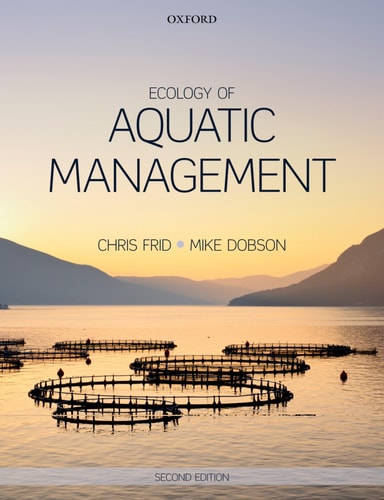
Ecology of Aquatic Management
0
0
As an Amazon Associate and affiliate partner, Menrva Books earns from qualifying purchases. Learn more
Author Description
Marine and freshwater systems are being placed under pressure like never before. A bigger and more demanding human population has meant increased utilization of aquatic systems and, as such, the need for sustainable solutions to allow the development and conservation of these systems has become an international priority. In order to understand the limits of exploitation, an understanding is needed of the ecological principles that constrain levels of productivity and the systems' responses to exploitation pressure.This timely book explores current exploitation practices, and the ecological basis and consequences of that exploitation. From a consideration of the ecological effects of the extraction of non-living resources, including energy and water itself, it progresses to the biology and ecology of aquatic organisms, and how these underpin the harvesting for aquatic resources. A discussion of the ecological consequences for the system of its use as a means of transport and as a repository for wastes follows, along with the increasing importance of aquatic systems for human recreational pursuits. Finally, effective management strategies for natural hazards, the provision of ecological goods and services, and restoration of aquatic systems are considered, as well as the importance of ecological science in exploitation management.The role of science in providing an understanding of the effects of human intervention in aquatic systems is emphasized throughout, along with a consideration of the role of ecology in the sustainable management of the consequences of human activity.Online Resource CenterThe Online Resource Center to accompany Ecology of Aquatic Management features:For students:DT Library of web links, giving students quick access to a range of additional resourcesDT Topical updates - surveys of key developments in the fieldFor lecturers:DT Figures
Menrva's Summary
THE THESIS
This book investigates the ecological principles necessary to balance the increasing human exploitation of aquatic systems with the urgent need for sustainable management and conservation. Authors Chris Frid and Mike Dobson, both established experts in marine and freshwater ecology, synthesize current scientific data to explain how human activities—ranging from resource extraction to waste disposal—impact the biological productivity and stability of these environments. The text provides a rigorous framework for understanding the limits of exploitation and the role of ecological science in developing effective, long-term management strategies.
THE SCOPE MAP
What You Will Find
- Analysis of the ecological effects of extracting non-living resources such as energy and water.
- Examination of the biology and ecology of aquatic organisms in relation to harvesting pressures.
- Assessment of the consequences of using aquatic systems for transport, waste disposal, and recreation.
- Evaluation of management strategies for natural hazards, ecological goods, and system restoration.
THE AUTHORITY PERSPECTIVE
Experts and academics frequently cite this text as a foundational resource for students and professionals seeking to understand the intersection of human activity and aquatic health. Readers often note the clarity with which the authors bridge complex ecological theory with practical, real-world management applications.
Page Count:
339
Publication Date:
2013-07-24
Publisher:
Oxford University Press
ISBN-10:
0199693293
ISBN-13:
9780199693290
Conservation
Marine Biology
Freshwater biology
Sustainability
Ecology
Community Tags
Similar Books