The Big Muddy
0
0
As an Amazon Associate and affiliate partner, Menrva Books earns from qualifying purchases. Learn more
Author Description
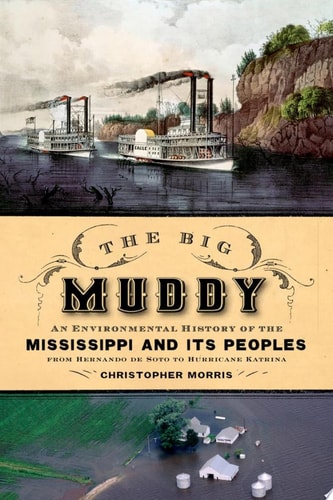
In The Big Muddy, The First Long-term Environmental History Of The Mississippi, Christopher Morris Offers A Brilliant Tour Across Five Centuries As He Illuminates The Interaction Between People And The Landscape, From Early Hunter-gatherer Bands To Present-day Industrial And Post-industrial Society. Morris Shows That When Hernando De Soto Arrived At The Lower Mississippi Valley, He Found An Incredibly Vast Wetland, Forty Thousand Square Miles Of Some Of The Richest, Wettest Land In North America, Deposited There By The Big Muddy River That Ran Through It. But Since Then Much Has Changed, For The River And For The Surrounding Valley. Indeed, By The 1890s, The Valley Was Rapidly Drying. Morris Shows How Centuries Of Increasingly Intensified Human Meddling--including Deforestation, Swamp Drainage, And Levee Construction--led To Drought, Disease, And Severe Flooding. He Outlines The Damage Done By The Introduction Of Foreign Species, Such As The Argentine Nutria, Which Escaped Into The Wild And Are Now Busy Eating Up Louisiana's Wetlands. And He Critiques The Most Monumental Change In The Lower Mississippi Valley--the Reconstruction Of The River Itself, Largely Under The Direction Of The Army Corps Of Engineers. Valley Residents Have Been Paying The Price For These Human Interventions, Most Visibly With The Disaster That Followed Hurricane Katrina. Morris Also Describes How Valley Residents Have Been Struggling To Reinvigorate The Valley Environment In Recent Years--such As With The Burgeoning Catfish And Crawfish Industries--so That They May Once Again Live Off Its Natural Abundance. Morris Concludes That The Problem With Katrina Is The Problem With The Amazon Rainforest, Drought And Famine In Africa, And Fires And Mudslides In California--it Is The End Result Of The Ill-considered Bending Of Natural Environments To Human Purposes.
Menrva's Summary
THE THESIS
This work investigates the long-term environmental transformation of the Mississippi River Valley and the consequences of human intervention on its natural landscape. Christopher Morris, a historian, utilizes five centuries of data to trace the shift from a vast, fertile wetland to a highly engineered industrial corridor. He argues that the systematic alteration of the river through deforestation, drainage, and levee construction has fundamentally destabilized the region, leading to ecological crises and increased vulnerability to natural disasters.
THE SCOPE MAP
What You Will Find
- A comprehensive environmental history spanning from pre-colonial hunter-gatherer societies to the modern industrial era.
- Analysis of large-scale engineering projects directed by the Army Corps of Engineers.
- Examination of the ecological impact of invasive species like the Argentine nutria on Louisiana wetlands.
- Case studies linking regional environmental mismanagement to broader global patterns of ecological degradation.
THE AUTHORITY PERSPECTIVE
Experts recognize this text as a significant contribution to environmental history, noting its detailed synthesis of human activity and geological change. Readers frequently highlight the clarity with which Morris connects historical policy decisions to contemporary environmental disasters like Hurricane Katrina.
Page Count:
320
Publication Date:
2012-01-01
Publisher:
Oxford University Press, Incorporated
ISBN-10:
0199717907
ISBN-13:
9780199717903
Nature
History
Geography
United States
Human ecology
Community Tags
Similar Books