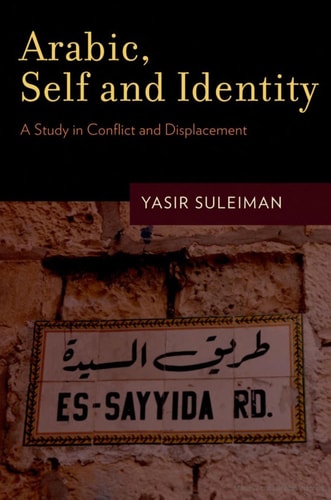
Arabic, Self and Identity: A Study in Conflict and Displacement
0
0
As an Amazon Associate and affiliate partner, Menrva Books earns from qualifying purchases. Learn more
Author Description
Arabic, Self, and Identity uses autoethnography, autobiography, and a detailed study of names to investigate the links between conflict and displacement, and between the Self and group identity. In the process it raises questions about trauma and globalization, underscoring the complex roles of language and identity in society.Yasir Suleiman frames his findings against a far-reaching critique of the dominant, correlational approach in Arabic sociolinguitics. He argues that this approach does not sufficiently explore the link between language and the major narratives of identity and conflict in the Middle East. Instead he advocates for combining this approach with qualitative studies that are nevertheless aware of the limits of interpretation and the positionality of the researcher. This combined endeavor, Suleiman says, can generate a richer understanding of the sociopolitical underpinnings of language, and help to bridge the gaps between the various disciplines that converge on language as a field of investigation and analysis.
Menrva's Summary
THE THESIS
This work investigates the intersection of language, personal identity, and collective experience within the context of conflict and displacement in the Middle East. Yasir Suleiman, a scholar of Arabic sociolinguistics, utilizes a methodology that blends autoethnography and autobiography with linguistic analysis. He challenges the traditional correlational approaches in his field, arguing that they fail to capture the nuanced relationship between language and the lived realities of trauma and globalization. By advocating for a more qualitative, positionality-aware framework, Suleiman seeks to provide a more comprehensive understanding of how language functions as a marker of both individual and group identity.
THE SCOPE MAP
What You Will Find
- Analysis of the relationship between trauma, displacement, and linguistic expression.
- A critique of dominant correlational methodologies in Arabic sociolinguistics.
- Integration of autoethnographic and autobiographical data to explore personal identity.
- Examination of naming practices as a lens for understanding group identity.
THE AUTHORITY PERSPECTIVE
Experts recognize this text as a significant contribution to the field of sociolinguistics, particularly for its methodological challenge to established norms. Readers often note the academic density of the prose, which requires a foundational understanding of linguistic theory to fully appreciate the author's arguments.
Page Count:
288
Publication Date:
2011-08-10
Publisher:
Oxford University Press
ISBN-10:
0199747008
ISBN-13:
9780199747009
Non-Fiction
Language
Ethnicity
Anthropological linguistics
Arab Countries
Language And Culture
Identity
Community Tags
Similar Books