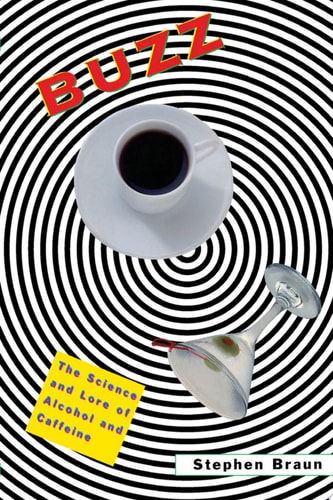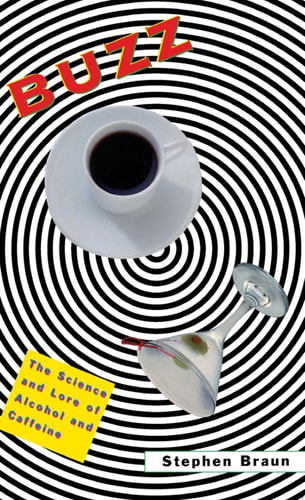
Buzz: The Science and Lore of Alcohol and Caffeine
0
0
As an Amazon Associate and affiliate partner, Menrva Books earns from qualifying purchases. Learn more
Author Description
Alcohol and caffeine are deeply woven into the fabric of life for most of the world's population, as close and as comfortable as a cup of coffee or a can of beer. Yet for most people they remain as mysterious and unpredictable as the spirits they were once thought to be. Now, in Buzz, Stephen Braun takes us on a myth-shattering tour of these two popular substances, one that blends fascinating science with colorful lore, and that includes cameo appearances by Shakespeare and Balzac, Buddhist monks and Arabian goat herders, even Mikhail Gorbachev and David Letterman (who once quipped, "If it weren't for the coffee, I'd have no identifiable personality whatsoever"). Much of what Braun reveals directly contradicts conventional wisdom about alcohol and caffeine. Braun shows, for instance, that alcohol is not simply a depressant as popularly believed, but is instead "a pharmacy in a bottle"--mimicking the action of drugs such as cocaine, amphetamine, valium, and opium. At low doses, it increases electrical activity in the same brain systems affected by stimulants, influences the same circuits targeted by valium, and causes the release of morphine-like compounds known as endorphins--all at the same time. This explains why alcohol can produce a range of reactions, from boisterous euphoria to dark, brooding hopelessness. Braun also shatters the myth that alcohol kills brain cells, reveals why wood alcohol or methanol causes blindness, and explains the biological reason behind the one-drink-per-hour sobriety rule (that's how long it takes the liver, working full tilt, to disable the 200 quintillion ethanol molecules found in a typical drink). The author then turns to caffeine and shows it to be no less remarkable. We discover that more than 100 plant species produce caffeine molecules in their seeds, leaves, or bark, a truly amazing distribution throughout nature (nicotine, in comparison, is found only in tobacco; opium only in the poppy). It's not surprising then that caffeine is the most widely used psychoactive drug in the world.
Menrva's Summary
THE THESIS
This book investigates the biological mechanisms and cultural history of alcohol and caffeine to challenge common misconceptions about their effects on the human brain. Stephen Braun, a science writer, synthesizes neurobiology, pharmacology, and historical anecdotes to explain how these two substances interact with human physiology. By examining the chemical properties of ethanol and caffeine, the author provides a framework for understanding why these substances produce such varied psychological and physical responses in the population.
THE SCOPE MAP
What You Will Find
- Detailed neurochemical analysis of how alcohol mimics stimulants and sedatives simultaneously
- Historical and cultural context regarding the discovery and use of caffeine in various societies
- Biological explanations for metabolic processes, such as the liver's role in processing ethanol
- Scientific evidence debunking myths regarding brain cell death and the nature of depressants
THE AUTHORITY PERSPECTIVE
Experts and readers frequently note the accessibility of the prose, which translates complex neurobiology into understandable concepts for a general audience. The text is widely regarded as a foundational resource for those interested in the intersection of pharmacology and daily human habits.
Page Count:
224
Publication Date:
1996-01-01
Publisher:
Oxford University Press
ISBN-10:
0199792593
ISBN-13:
9780199792597
Science
Psychology
Non-Fiction
Self-help
Health
Self Help
Alcohol
Caffeine
Biology
Beverages
Professional Career & Trade
Community Tags
Similar Books