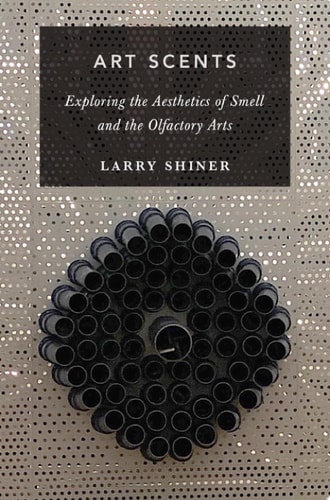
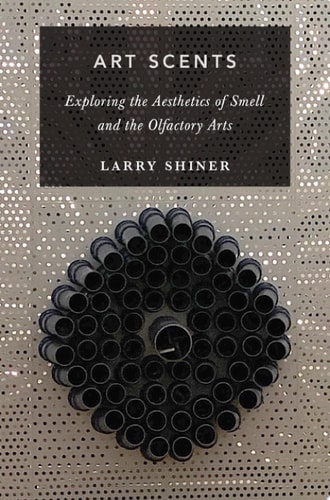
Art Scents: Exploring the Aesthetics of Smell and the Olfactory Arts
0
0
As an Amazon Associate and affiliate partner, Menrva Books earns from qualifying purchases. Learn more
Author Description
Although the arts of incense and perfume making are among the oldest of human cultural practices, it is only in the last two decades that the use of odors in the creation of art has begun to attract attention under the rubrics of 'olfactory art' or 'scent art.' Contemporary olfactory art ranges from gallery and museum installations and the use of scents in music, film, and drama, to the ambient scenting of stores and the use of scents in cuisine. All these practices raise aesthetic and ethical issues, but there is a long-standing philosophical tradition, most notably articulated in the work of Kant and Hegel, which argues that the sense of smell lacks the cognitive capacity to be a vehicle for either serious art or reflective aesthetic experience. This neglect and denigration of the aesthetic potential of smell was further reinforced by Darwin's and Freud's views of the human sense of smell as a near useless evolutionary vestige. Smell has thus been widely neglected within the philosophy of art.Larry Shiner's wide-ranging book counters this tendency, aiming to reinvigorate an interest in smell as an aesthetic experience. He begins by countering the classic arguments against the aesthetic potential of smell with both philosophical arguments and evidence from neuroscience, psychology, anthropology, history, linguistics, and literature. He then draws on this empirical evidence to explore the range of aesthetic issues that arise in each of the major areas of the olfactory arts, whether those issues arise from the use of scents with theater and music, sculpture and installation, architecture and urban design, or avant-garde cuisine. Shiner gives special attention to the art status of perfumes and to the ethical issues that arise from scenting the body, the ambient scenting of buildings, and the use of scents in fast food. Shiner's book provides both philosophers and other academic readers with not only a comprehensive overview of the aesthetic issues raised by the emergence of the olfactory arts, but also shows the way forward for further studies of the aesthetics of smell.
Menrva's Summary
THE THESIS
This work investigates whether the sense of smell possesses the cognitive and aesthetic capacity to function as a legitimate medium for serious art. Larry Shiner, a philosopher, challenges the historical denigration of olfaction rooted in Kantian and Hegelian thought. By synthesizing evidence from neuroscience, anthropology, and linguistics, he constructs a framework that elevates scent from a vestigial evolutionary trait to a sophisticated vehicle for aesthetic and reflective experience.
THE SCOPE MAP
What You Will Find
- Philosophical rebuttals to the traditional exclusion of smell from high art.
- Analysis of olfactory applications in theater, music, architecture, and avant-garde cuisine.
- Examination of the ethical implications of ambient scenting and body fragrance.
Scope Limits
- The text does not serve as a practical manual for perfume creation or technical chemistry.
- It focuses primarily on Western philosophical traditions and contemporary art installations rather than global historical scent practices.
THE AUTHORITY PERSPECTIVE
Experts recognize this text as a significant contribution to the emerging field of sensory aesthetics. Readers frequently note the academic density of the prose, which effectively bridges the gap between philosophical theory and contemporary artistic practice.
Page Count:
372
Publication Date:
2020-01-01
Publisher:
Oxford University Press
ISBN-10:
0190089830
ISBN-13:
9780190089832
Philosophy
Non-Fiction
Odors
Olfactory Studies
Art Theory
Aesthetics
Community Tags
Similar Books

Reader Comments
Share Your Thoughts
No comments yet. Be the first to share your thoughts!