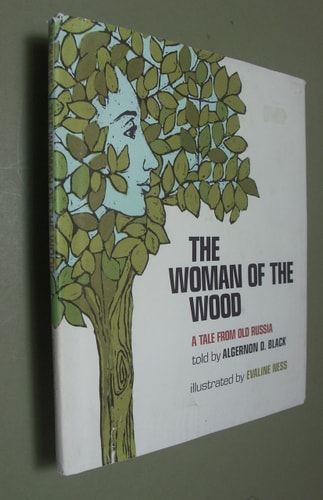
The Woman of the Wood: A Tale from Old Russia
0
0
As an Amazon Associate and affiliate partner, Menrva Books earns from qualifying purchases. Learn more
Author Description
The woodcarver carves a woman out of a tree, the tailor clothes her, the teacher teaches her to speak and think, and then each man claims she belongs to him.
Menrva's Summary
THE PULSE
A woodcarver, a tailor, and a teacher find themselves in a dispute over the ownership of a woman brought to life from a tree.
The narrative follows the creation of a woman through the combined efforts of three distinct craftsmen, each contributing a vital element to her existence. As she gains the ability to speak and reason, the men assert their individual claims of possession based on their specific contributions. The story operates within the framework of a traditional folk tale, utilizing a linear progression to explore the ethical implications of creation and autonomy. The world is defined by the logic of magical realism, where the physical transformation of wood into flesh serves as the catalyst for a philosophical conflict regarding agency.
INSIDE THE PAGES
- Archetypal character roles representing different societal functions
- Exploration of the Pygmalion myth motif
- Examination of objectification versus autonomy
- Traditional folk tale narrative structure
- Minimalist prose style characteristic of oral tradition
- Focus on the tension between creator and creation
- Allegorical representation of ownership and rights
- Pacing that mirrors the escalating conflict between the three men
THE COLLECTIVE ECHO
Readers often note the stark, fable-like quality of the prose, which emphasizes the moral dilemma over complex character interiority. Discussion frequently centers on the ethical implications of the men's claims and how the woman navigates her newfound existence amidst their possessiveness. Critics highlight the story's effectiveness in distilling human nature into a simple, yet potent, conflict regarding control and independence. The atmosphere is described as timeless, drawing heavily on the conventions of Russian folklore to ground its central philosophical question. Many readers find the brevity of the work allows for a focused analysis of the power dynamics at play between the creators and the created.
Page Count:
32
Publication Date:
1973-01-01
Publisher:
Holt, Rinehart and Winston
ISBN-10:
0030074363
ISBN-13:
9780030074363
Fantasy
Mythology
Folklore
Russian
Fairy Tale