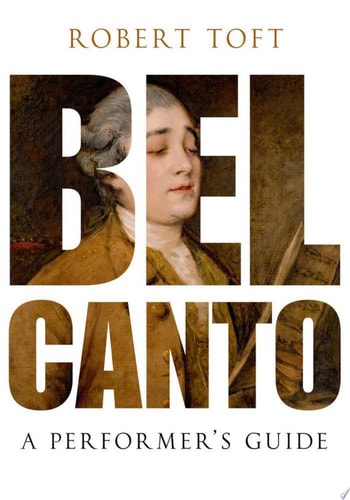
Bel Canto
0
0
As an Amazon Associate and affiliate partner, Menrva Books earns from qualifying purchases. Learn more
Author Description
Bel Canto, Or 'beautiful Singing,' Remains One Of The Most Elusive Performance Styles Vocalists Strive To Master. During The Eighteenth And Early Nineteenth Centuries, Composers Routinely Left The Final Shaping Of Recitatives, Arias, And Songs To Performers, And Singers Treated Scores Freely So That Inexpressively Notated Music Could Be Turned Into Passionate Declamation. In Other Words, Vocalists Saw Their Role More As One Of Re-creation Than Of Simple Interpretation. Familiarity With The Range Of Strategies Prominent Singers Of The Past Employed To Unlock The Eloquent Expression Hidden In Scores Enables Modern Performers To Take A Similar Re-creative Approach To Enhancing The Texts Before Them. In This First Ever Guide To Bel Canto, Author Robert Toft Provides Singers With The Tools They Need Not Only To Complete The Creative Process The Composer Began But Also To Bring Scores To Life In An Historically-informed Manner. Replete With Illustrations Based On Excerpts From Italianate Recitatives And Arias By Composers Ranging From Handel To Rossini, The Book Offers Discussions Of The Fundamental Principles Of Expressive Singing, Each Section Including A Practical Application Of The Techniques Involved. Drawing On A Wealth Of Documents From The Era, Including Treatises, Scores, Newspaper Reviews, And Letters, This Book Captures The Breadth Of Practices Singers Used In The Bel Canto Period. Complete With Six Scores (recitatives And/or Arias) For Performers To Personalize Through The Old Methods, And A Companion Website Offering Demonstrations Of The Principles Involved, Bel Canto Is An Essential Resource For Any Singer Or Vocal Instructor Wishing To Explore And Master Historical Techniques Of Interpretation And Re-creation From The Eighteenth And Early Nineteenth Centuries.
Menrva's Summary
THE THESIS
This book investigates the historical performance practices of the bel canto era to determine how vocalists can effectively re-create and interpret scores in an historically-informed manner. Robert Toft, a scholar of historical performance, utilizes a vast array of primary source documents—including period treatises, letters, and contemporary reviews—to reconstruct the creative agency singers once held. He argues that modern vocalists should move beyond literal interpretation to embrace the improvisational and expressive freedom that defined the eighteenth and early nineteenth-century vocal tradition.
THE SCOPE MAP
What You Will Find
- Historical performance strategies for recitatives, arias, and songs from the 18th and early 19th centuries.
- Practical methodologies for applying period-appropriate ornamentation and expressive declamation.
- Evidence derived from primary source materials such as period treatises, scores, and historical correspondence.
- Six complete scores provided for practical application and personalization using historical techniques.
THE AUTHORITY PERSPECTIVE
Experts and vocal instructors identify this work as a primary resource for bridging the gap between modern score-reading and historical performance practice. Readers frequently note the practical utility of the included scores and the companion website in mastering these complex, nuanced techniques.
Page Count:
288
Publication Date:
2012-01-01
Publisher:
Oxford University Press
ISBN-10:
0199832374
ISBN-13:
9780199832378
Music
Instructional
Vocal music
Music History
Community Tags
Similar Books