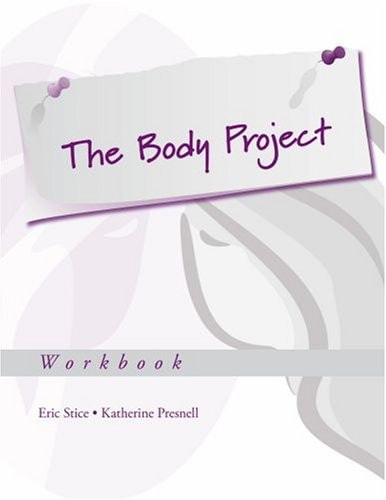
The Body Project: A Dissonance-Based Eating Disorder Prevention Intervention
0
0
As an Amazon Associate and affiliate partner, Menrva Books earns from qualifying purchases. Learn more
Author Description
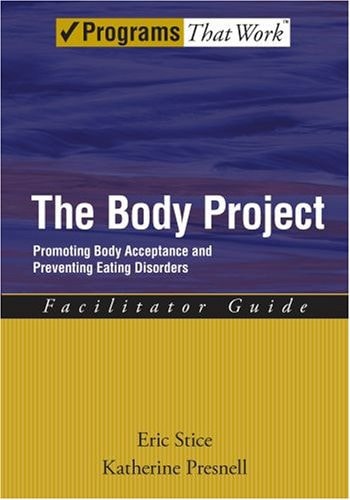
Eating disorders are among the most prevalent psychiatric disorders in adolescent and young adult females, affecting approximately 10% of young women. Unfortunately, less than half of those with eating disorders receive treatment, which can be very expensive. Thus, effective prevention has become a major public health priority.The Body Project is an empirically based eating disorder prevention program that offers young women an opportunity to critically consider the costs of pursuing the ultra-thin ideal promoted in the mass media, which improves body acceptance and reduces risk for developing eating disorders. Young women with elevated body dissatisfaction are recruited for group sessions in which they participate in a series of verbal, written, and behavioral exercises in which they consider the negative effects of the thin-ideal. Chapters provide information on the significance of body image and eating disorders, the intervention theory, the evidence base which supports the theory, recruitment and training procedures, solutions to common challenges, and a new program aimed at reducing obesity onset, as well as intervention scripts and participant handouts. The Body Project is the only currently available eating disorder prevention program that has been shown to reduce risk for onset of eating disorders and received support in trials conducted by several independent research groups. The group sessions are brief and fun to lead, and this guide provides all of the necessary information to walk clinicians, teachers, counselors, and volunteers through leading the program for vulnerable young women.
Menrva's Summary
THE THESIS
This book investigates the efficacy of dissonance-based interventions in preventing the onset of eating disorders among adolescent and young adult females. The authors, Eric Stice, Heather Shaw, and Paul Rohde, leverage extensive clinical research and longitudinal trial data to present a structured, evidence-based program designed to challenge the societal pursuit of the ultra-thin ideal. By shifting the focus from traditional didactic education to active cognitive dissonance, the text provides a framework for clinicians and educators to improve body acceptance and mitigate psychiatric risk factors.
THE SCOPE MAP
What You Will Find
- Theoretical foundations of dissonance-based eating disorder prevention.
- Standardized recruitment and facilitator training protocols.
- Practical intervention scripts and reproducible participant handouts.
- Empirical evidence and trial results supporting the program's effectiveness.
THE AUTHORITY PERSPECTIVE
Experts recognize this manual as a foundational resource for clinicians and public health professionals seeking validated prevention strategies. Readers frequently note the practical utility of the included scripts and the clinical rigor applied to the program's design.
Page Count:
304
Publication Date:
2012-12-31
Publisher:
Oxford University Press
ISBN-10:
0199859248
ISBN-13:
9780199859245
Health
Psychology
Public Health
Self Help
Body Image
Community Tags
Similar Books