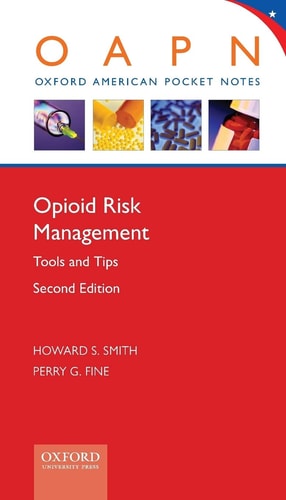
Opioid Risk Management: Tools and Tips
0
0
As an Amazon Associate and affiliate partner, Menrva Books earns from qualifying purchases. Learn more
Author Description
Chronic pain is one of the most common and debilitating health care conditions, and among the most notoriously challenging to treat. Chronic non-cancer pain presents a significant burden to society in terms of lost workforce productivity and significant healthcare resource utilization and cost. Although controversies persist surrounding the use of opioid analgesics, consensus now exists among medical experts that they can be useful for carefully selected patients. Safe opioid prescribing, however, hinges on effective risk management. All clinicians who treat pain with opioids are obliged to implement therapy according to accepted principles of prescribing and to minimize the risk of misuse, abuse, addiction, and diversion through risk assessment and management strategies. Proper risk assessment allows for a care plan that is structured to optimize therapeutic outcomes while minimizing risks of potential opioid-related morbidities or problematic drug-related behaviors as effectively as possible. Opioid Management Tools and Tips provides health professionals with basic guidance, tools, and resources for identifying patients who may be at risk for opioid misuse and effective managing the risk of abuse, addiction, and diversion. This second edition contains updated guidelines on opioid selection as well as legal and regulatory resources.
Menrva's Summary
THE THESIS
This book investigates the clinical necessity and practical methodology for implementing rigorous risk management strategies when prescribing opioid analgesics for chronic pain. Authors Howard S. Smith and Perry G. Fine, both established experts in pain medicine, synthesize current medical consensus to address the tension between therapeutic efficacy and the potential for patient misuse or diversion. The text provides a structured framework for clinicians to navigate the complex regulatory and safety requirements inherent in modern pain management protocols.
THE SCOPE MAP
What You Will Find
- Clinical guidelines for patient selection and opioid therapy initiation
- Practical tools for assessing risk of addiction, abuse, and diversion
- Updated regulatory and legal resources for healthcare providers
- Methodologies for monitoring therapeutic outcomes and minimizing opioid-related morbidities
THE AUTHORITY PERSPECTIVE
Medical professionals frequently cite this text as a concise, high-utility resource for daily clinical practice. Experts highlight the pocket-sized format as a practical asset for clinicians needing immediate access to standardized safety protocols and risk assessment tools.
Page Count:
64
Publication Date:
2013-11-21
Publisher:
Oxford University Press
ISBN-10:
0199862052
ISBN-13:
9780199862054
Pharmacology
Medical
Clinical Reference
Chronic Pain
Analgesics
Community Tags
Similar Books