Central Europe and the European Union
0
0
As an Amazon Associate and affiliate partner, Menrva Books earns from qualifying purchases. Learn more
Author Description
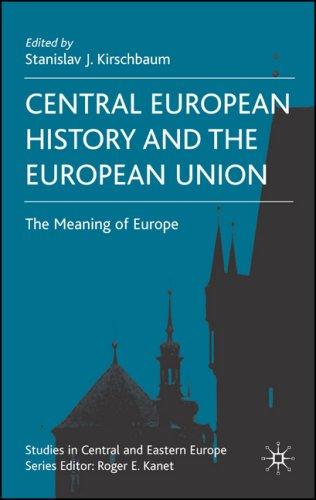
In this volume thirteen specialists of Central European history and politics inquire into the meaning of Europe by examining three themes related to the region's historical experience and the accession process in the EU. The first concerns Central Europe as a whole and seeks an answer to the question what relations the Central European nations had with Western Europe in the past, especially when their own development was subjected to a different rhythm and form. The second theme is the legacy of the national state in Central Europe, namely national symbols, how they were created, what meaning they acquired, and their contemporary relevance. The third theme examines some of the challenges of EU membership as a result of the incredibly rapid process of joining the EU that seemed to sweep in its wake a number of important historical questions that had been on the domestic agenda of the Central European states for decades. This volume makes an important contribution to our understanding of the ongoing debate on the meaning of Europe.
Menrva's Summary
THE THESIS
This volume investigates the multifaceted meaning of Europe through the lens of Central European history and politics, focusing on the region's historical relationship with Western Europe, the legacy of the national state, and the challenges of EU membership. Thirteen specialists explore these themes by examining the historical experiences of Central European nations and their accession process into the European Union. The work delves into how Central European development diverged from Western Europe, the construction and contemporary relevance of national symbols, and the historical questions that emerged during the rapid EU accession period.
THE SCOPE MAP
- Analysis of the historical relationship between Central Europe and Western Europe, particularly during periods of divergent development.
- Exploration of the legacy of the national state in Central Europe, including the creation and meaning of national symbols.
- Examination of the challenges and historical questions arising from the rapid accession of Central European states into the European Union.
- Contributions from thirteen specialists in Central European history and politics.
- Discussion on the ongoing debate regarding the meaning of Europe and Central Europe's place within it.
THE AUTHORITY PERSPECTIVE
This collection of essays offers a scholarly examination of Central Europe's relationship with the European Union, drawing on historical and political analysis. The contributors address complex questions about national identity and the integration process, providing insights into the region's unique historical trajectory. The volume is positioned as a significant contribution to understanding the ongoing discourse on European identity and the implications of EU expansion. It is likely to appeal to academics and students of European history, politics, and international relations.
Page Count:
256
Publication Date:
2007-01-01
ISBN-10:
0230549373
ISBN-13:
9780230549371
History
Politics
Non-Fiction
European integration
European Union
Central Europe
Community Tags
Similar Books