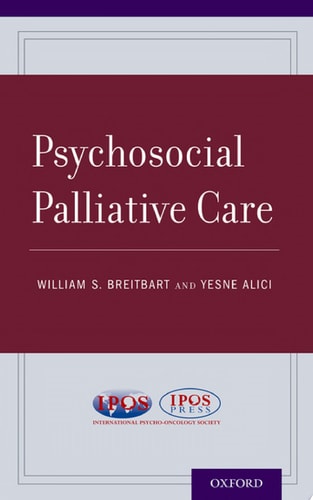
Psychosocial Palliative Care
0
0
As an Amazon Associate and affiliate partner, Menrva Books earns from qualifying purchases. Learn more
Author Description
One of the most challenging roles of the psycho-oncologist is to help guide terminally-ill patients through the physical, psychological, and spiritual aspects of the dying process. Patients with cancer, AIDS, and other life-threatening illnesses are at increased risk for the development of major psychiatric complications, and have an enormous burden of both physical and psychological symptoms. Concepts of adequate palliative care must be expanded beyond the current focus on pain and physical symptom control to include the psychiatric, psychosocial, existential, and spiritual aspects of care. The psycho-oncologist, as a consultant to or member of a palliative care team, has a unique role and opportunity to fulfill this promise of competent and compassionate palliative care for those with life-threatening illnesses. Psychosocial Palliative Care guides the psycho-oncologist through the most salient aspects of effective psychiatric care of patients with advanced illnesses. This handbook reviews basic concepts and definitions of palliative care and the experience of dying, the assessment and management of major psychiatric complications of life-threatening illness, including psychopharmacologic and psychotherapeutic approaches, and covers issues such as bereavement, spirituality, cultural sensitivity, communication and psychiatric contributions to common physical symptom control. A global perspective on death and palliative care is taken throughout the text, and an Appendix provides a comprehensive list of international palliative care resources and training programs.
Menrva's Summary
THE THESIS
This text investigates the critical necessity of integrating psychiatric, psychosocial, and existential support into the standard palliative care framework for patients facing life-threatening illnesses. Authors William S. Breitbart and Yesne Alici, both experts in the field of psycho-oncology, argue that effective end-of-life care must transcend physical symptom management. They provide a comprehensive clinical framework for addressing the complex psychiatric complications that frequently accompany advanced diseases like cancer and AIDS.
THE SCOPE MAP
What You Will Find
- Clinical assessment and management strategies for major psychiatric complications in terminal patients.
- Evidence-based psychopharmacologic and psychotherapeutic intervention protocols.
- Guidance on navigating existential, spiritual, and cultural dimensions of the dying process.
- A global directory of international palliative care resources, training programs, and communication frameworks.
THE AUTHORITY PERSPECTIVE
Experts recognize this work as a foundational handbook for clinicians operating within palliative care teams. Practitioners frequently note the clinical utility of its structured approach to complex psychiatric symptoms in terminal settings.
Page Count:
192
Publication Date:
2014-04-22
Publisher:
Oxford University Press
ISBN-10:
019991740X
ISBN-13:
9780199917402
Health
Psychology
Psychiatry
Medicine
Oncology
Terminally Ill
Community Tags
Similar Books