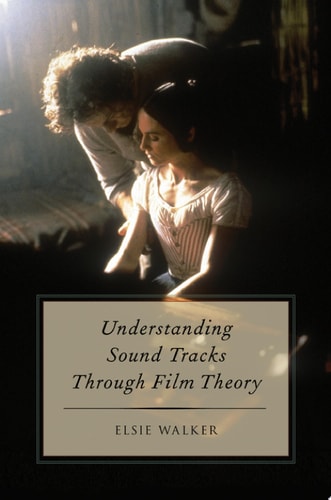
Understanding Sound Tracks Through Film Theory
0
0
As an Amazon Associate and affiliate partner, Menrva Books earns from qualifying purchases. Learn more
Author Description
Understanding Sound Tracks Through Film Theory breaks new ground by redirecting the arguments of foundational texts within film theory to film sound tracks. Walker includes sustained analyses of particular films according to a range of theoretical approaches: psychoanalysis, feminism, genre studies, post-colonialism, and queer theory. The films come from disparate temporal and industrial contexts: from Classical Hollywood Gothic melodrama (Rebecca) to contemporary, critically-acclaimed science fiction (Gravity). Along with sound tracks from canonical American films including The Searchers and To Have and Have Not, Walker analyzes independent Australasian films: examples include Heavenly Creatures, a New Zealand film that uses music to empower its queer female protagonists; and Ten Canoes, the first Australian feature film with a script entirely in Aboriginal languages. Understanding Sound Tracks Through Film Theory thus not only calls new attention to the significance of sound tracks, but also focuses on the sonic power of characters representing those whose voices have all too often been drowned out. Understanding Sound Tracks Through Film Theory is both rigorous and accessible to all students and scholars with a grasp of cinematic and musical structures. Moreover, the book brings together film studies, musicology, history, politics, and culture and therefore resonates across the liberal arts.
Menrva's Summary
THE THESIS
How can the application of established film theory frameworks illuminate the complex functions and cultural significance of sound tracks in cinema? Elsie M. Walker, a scholar in film and media studies, argues that sound tracks have been historically overlooked in theoretical discourse. By re-examining foundational film theories—including psychoanalysis, feminism, and post-colonialism—through the lens of sonic elements, she constructs a methodology for analyzing how music and audio design shape cinematic meaning and character representation.
THE SCOPE MAP
What You Will Find
- Theoretical frameworks: psychoanalysis, feminism, genre studies, post-colonialism, and queer theory.
- Comparative analysis of Classical Hollywood Gothic, contemporary science fiction, and independent Australasian cinema.
- Case studies including Rebecca, The Searchers, To Have and Have Not, Heavenly Creatures, and Ten Canoes.
Scope Limits
- The text does not provide a technical manual for sound engineering or audio production.
- The analysis is limited to the intersection of film theory and sound, rather than a comprehensive history of film music.
THE AUTHORITY PERSPECTIVE
Scholars and students of film studies recognize this work as a bridge between musicology and cinematic theory. Readers frequently note the academic density of the prose, which is designed for those already familiar with the foundational texts of film criticism.
Page Count:
448
Publication Date:
2015-01-01
Publisher:
Oxford University Press
ISBN-10:
0190219130
ISBN-13:
9780190219130
Motion pictures
Humanities
Film Studies
Academic
Musicology
Film Theory
Music History
Media Studies
Community Tags
Similar Books