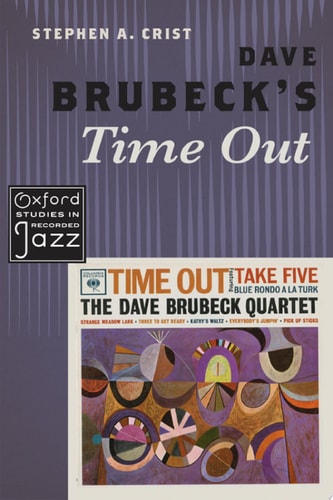
Dave Brubeck's Time Out
0
0
As an Amazon Associate and affiliate partner, Menrva Books earns from qualifying purchases. Learn more
Author Description
Dave Brubeck's Time Out Ranks Among The Most Popular, Successful, And Influential Jazz Albums Of All Time. Released By Columbia In 1959, Alongside Such Other Landmark Albums As Miles Davis's Kind Of Blue And Charles Mingus's Mingus Ah Um, Time Out Became One Of The First Jazz Albums To Be Certified Platinum, While Its Featured Track, Take Five, Became The Best-selling Jazz Single Of The Twentieth Century, Surpassing One Million Copies. In Addition To Its Commercial Successes, The Album Is Widely Recognized As A Pioneering Endeavor Into The Use Of Odd Meters In Jazz. With Its Opening Track Blue Rondo à La Turk Written In 9/8, Its Hit Single Take Five In 5/4, And Equally Innovative Uses Of The More Common 3/4 And 4/4 Meters On Other Tracks, Time Out Has Played An Important Role In The Development Of Modern Jazz. In This Book, Author Stephen A. Crist Draws On Nearly Fifteen Years Of Archival Research To Offer The Most Thorough Examination To Date Of This Seminal Jazz Album. Supplementing His Research With Interviews With Key Individuals, Including Brubeck's Widow Iola And Daughter Catherine, As Well As Interviews Conducted With Brubeck Himself Prior To His Passing In 2012, Crist Paints A Complete Picture Of The Album's Origins, Creation, And Legacy. Couching Careful Analysis Of Each Of The Album's Seven Tracks Within Historical And Cultural Contexts, He Offers Fascinating Insights Into The Composition And Development Of Some Of The Album's Best-known Tunes. From Brubeck's 1958 State Department-sponsored Tour, During Which He First Encountered The Turkish Aksak Rhythms That Would Form The Basis Of Blue Rondo à La Turk, To The Backstage Jam Session That Planted The Seeds For Take Five, Crist Sheds An Exciting New Light On One Of The Most Significant Albums In Jazz History.
Menrva's Summary
THE THESIS
How did Dave Brubeck’s 1959 album Time Out redefine the rhythmic possibilities of jazz and achieve unprecedented commercial success? Author Stephen A. Crist, a musicologist, utilizes fifteen years of archival research and primary source interviews to examine the creation and cultural impact of this seminal recording. The book provides a technical and historical framework, analyzing how Brubeck’s exposure to international rhythms and his collaborative process with his quartet transformed the jazz landscape.
THE SCOPE MAP
What You Will Find
- Detailed musicological analysis of all seven tracks on the album
- Historical documentation of Brubeck’s 1958 State Department tour
- Primary source interviews with Brubeck, his widow Iola, and daughter Catherine
- Examination of the transition from traditional 4/4 time to odd meters like 9/8 and 5/4
Scope Limits
- Does not provide a comprehensive biography of Dave Brubeck’s entire career
- Focuses primarily on the production and legacy of the Time Out album rather than the quartet’s later discography
THE AUTHORITY PERSPECTIVE
Experts recognize this work as the definitive scholarly examination of one of jazz’s most commercially successful recordings. Readers frequently note the balance between accessible historical narrative and the technical depth required to explain the album’s innovative use of time signatures.
Page Count:
208
Publication Date:
2019-01-01
Publisher:
Oxford University Press
ISBN-10:
0190217731
ISBN-13:
9780190217730
History
Music
Biography
Jazz
Music theory
Community Tags
Other Editions(3)

Similar Books













Reader Comments
Share Your Thoughts
No comments yet. Be the first to share your thoughts!