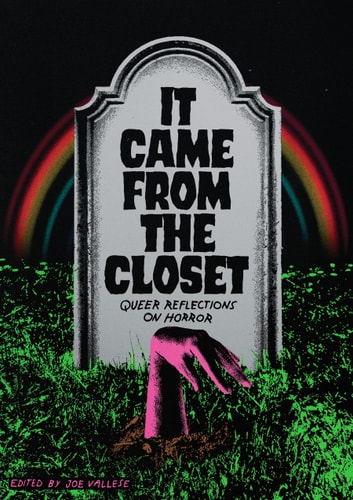
It Came from the Closet: Queer Reflections on Horror
0
0
As an Amazon Associate and affiliate partner, Menrva Books earns from qualifying purchases. Learn more
Author Description
Through the lens of horror--from Halloween to Hereditary--queer and trans writers consider the films that deepened, amplified, and illuminated their own experiences. Horror movies hold a complicated space in the hearts of the queer community: historically misogynist, and often homo- and transphobic, the genre has also been inadvertently feminist and open to subversive readings. Common tropes--such as the circumspect and resilient "final girl," body possession, costumed villains, secret identities, and things that lurk in the closet--spark moments of eerie familiarity and affective connection. Still, viewers often remain tasked with reading themselves into beloved films, seeking out characters and set pieces that speak to, mirror, and parallel the unique ways queerness encounters the world. It Came from the Closet features twenty-five essays by writers speaking to this relationship, through connections both empowering and oppressive. From Carmen Maria Machado on Jennifer's Body, Jude Ellison S. Doyle on In My Skin, Addie Tsai on Dead Ringers, and many more, these conversations convey the rich reciprocity between queerness and horror.
Menrva's Summary
THE THESIS
Horror films, often steeped in homophobia and transphobia, paradoxically offer queer and trans individuals a unique lens through which to explore their own experiences. This collection features twenty-five essays by queer and trans writers who examine their relationship with horror cinema, from classic films to contemporary releases. The authors delve into how common horror tropes, such as the 'final girl,' body possession, and hidden threats, resonate with their lived experiences, even when the films are not explicitly inclusive. The essays explore both empowering and oppressive connections, highlighting the rich reciprocity between queerness and the horror genre.
THE SCOPE MAP
- Analysis of horror films through a queer and trans lens.
- Exploration of common horror tropes and their resonance with queer experiences.
- Essays by a diverse group of queer and trans writers.
- Consideration of both empowering and oppressive connections to the genre.
- Specific discussions of films like 'Jennifer's Body', 'In My Skin', and 'Dead Ringers'.
- Examination of the historical context of horror films regarding misogyny, homophobia, and transphobia.
- Focus on how viewers find themselves within films, seeking parallel experiences.
- Rich reciprocity between queerness and the horror genre.
THE AUTHORITY PERSPECTIVE
This collection is likely to be highly valued by readers seeking to understand the intersection of queer identity and horror cinema. The diverse perspectives offered by the contributing writers provide a nuanced exploration of how a historically problematic genre can also be a site of identification and subversion for marginalized communities. The essays are expected to offer both critical analysis of film and deeply personal reflections on lived experience. The book's strength lies in its ability to bridge academic film study with the affective power of personal connection to media.
Page Count:
298
Publication Date:
2022-01-01
Publisher:
Feminist Press at the City University of New York
ISBN-10:
1952177790
ISBN-13:
9781952177798
Horror
Literary Fiction
Non-Fiction
Film Studies
Essays
Queer Studies
Community Tags
Similar Books