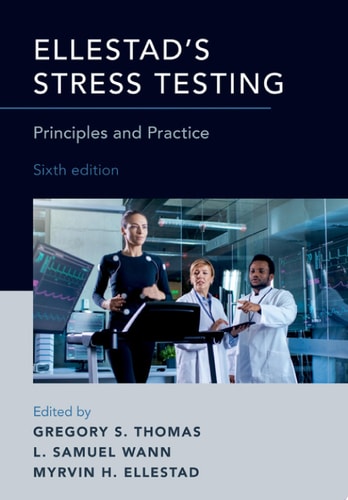
Ellestad's Stress Testing: Principles and Practice
0
0
As an Amazon Associate and affiliate partner, Menrva Books earns from qualifying purchases. Learn more
Author Description
The sixth edition of Ellestad's classic text on cardiac stress testing has been extensively updated and re-written to communicate contemporary understanding of the classical principles of stress testing to clinicians and researchers, students and seasoned practitioners alike. The current techniques for performing stress tests presented herein reflect major technologic advances in imaging, physiologic monitoring and the assessment of cardiovascular risk, addressing fundamental paradigm shifts in interventional, surgical and medical treatment of heart disease. Moreover, the text addresses the dramatic changes that are occurring in patient demographics and the environmental, socioeconomic, gender and genomic factors that crucially impact heart disease and warrant attention when performing cardiac stress testing.Chapters on the physiology of exercise testing including practical details regarding protocols for conducting the stress test, proper supervision, important parameters to be monitored, and the diagnostic and prognostic information to be gleaned from the electrocardiogram set the stage for expanded chapters on the use of cardiac imaging in conjunction with stress testing. Physiologic and metabolic considerations during stress testing are covered in detail. Application of stress testing to special populations, such as women, children, athletes, and individuals in both high and low risk groups are covered in new chapters. Finally, the authors address the use of stress testing in limited resource environments and discuss global changes in the incidence of atherosclerosis, and suggest how stress testing may evolve.
Menrva's Summary
THE THESIS
This text investigates the core principles and contemporary applications of cardiac stress testing in the diagnosis and management of cardiovascular disease. The authors, including Gregory S. Thomas, L. Samuel Wann, and the late Myrvin H. Ellestad, synthesize decades of clinical experience with modern technological advancements. The book provides a comprehensive framework for clinicians to interpret physiological data while accounting for evolving patient demographics and global health factors.
THE SCOPE MAP
What You Will Find
- Protocols for conducting and supervising exercise stress tests
- Integration of cardiac imaging with traditional stress testing
- Analysis of physiological and metabolic responses to exercise
- Application of testing to diverse populations including athletes and children
- Discussion of stress testing in limited-resource environments
Scope Limits
- Does not cover advanced interventional surgical procedures in depth
- Does not serve as a primary textbook for general cardiology outside of stress testing
THE AUTHORITY PERSPECTIVE
Experts recognize this work as a foundational reference for both students and seasoned practitioners in the field of cardiology. Readers frequently note the technical density of the prose, which effectively bridges the gap between classical physiological principles and modern diagnostic imaging techniques.
Page Count:
604
Publication Date:
2018-01-01
Publisher:
Oxford University Press
ISBN-10:
0190225505
ISBN-13:
9780190225506
Medical
Physiology
Allied Health
Cardiology
Community Tags
Similar Books