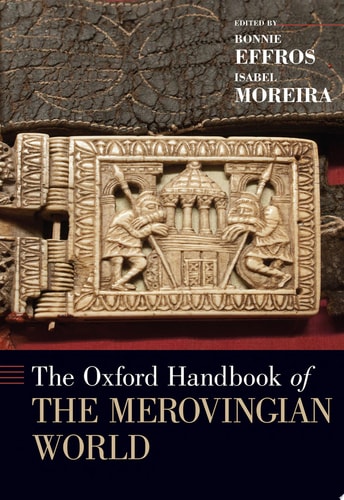
The Oxford Handbook of the Merovingian World
0
0
As an Amazon Associate and affiliate partner, Menrva Books earns from qualifying purchases. Learn more
Author Description
The Merovingian Era Is One Of The Best Studied Yet Least Well Known Periods Of European History. From The Fifth To The Eighth Centuries, The Inhabitants Of Gaul (what Now Comprises France, Southern Belgium, Luxembourg, Rhineland Germany, And Part Of Modern Switzerland), A Mix Of Gallo-roman Inhabitants And Germanic Arrivals Under The Political Control Of The Merovingian Dynasty, Sought To Preserve, Use, And Reimagine The Political, Cultural, And Religious Power Of Ancient Rome While Simultaneously Forging The Beginnings Of What Would Become Medieval European Culture. The Forty-six Essays Included In This Volume Highlight Why The Merovingian Era Is At The Heart Of Historical Debates About What Happened To Western Europe After The Fall Of The Roman Empire. The Essays Demonstrate That The Inhabitants Of The Merovingian Kingdoms In These Centuries Created A Culture That Was The Product Of These Traditions And Achieved A Balance Between The World They Inherited And The Imaginative Solutions They Bequeathed To Europe. The Handbook Highlights New Perspectives And Scientific Approaches That Shape Our Changing View Of This Extraordinary Era By Showing That Merovingian Gaul Was Situated At The Crossroads Of Europe, Connecting The Mediterranean And The British Isles With The Byzantine Empire, And It Benefited From The Global Reach Of The Late Roman Empire. It Tells The Story Of The Merovingian World Through Archaeology, Bio-archaeology, Architecture, Hagiographic Literature, History, Liturgy, Visionary Literature And Eschatology, Patristics, Numismatics, And Material Culture.
Menrva's Summary
THE THESIS
This volume investigates the political, cultural, and religious transformation of Gaul between the fifth and eighth centuries under the Merovingian dynasty. Editors Bonnie Effros and Isabel Moreira, both established scholars in medieval history, curate forty-six essays that analyze how the inhabitants of this region synthesized late Roman traditions with new cultural frameworks. The text argues that the Merovingian era served as a critical nexus for European development, bridging the gap between the collapse of the Roman Empire and the emergence of medieval society.
THE SCOPE MAP
What You Will Find
- Comprehensive analysis of Merovingian Gaul covering France, Belgium, Luxembourg, Germany, and Switzerland
- Interdisciplinary methodologies including bio-archaeology, numismatics, and hagiographic study
- Examination of the region's connectivity to the Byzantine Empire and the British Isles
Scope Limits
- The text focuses primarily on the Merovingian dynasty and its immediate geographic sphere of influence
- It does not provide a general narrative history for lay readers, but rather a collection of specialized scholarly inquiries
THE AUTHORITY PERSPECTIVE
Experts identify this handbook as a foundational reference for students and researchers of early medieval Europe. Readers frequently note the academic density of the prose and the breadth of the interdisciplinary evidence presented throughout the collection.
Page Count:
1056
Publication Date:
2020-01-01
Publisher:
Oxford University Press
ISBN-10:
0190234199
ISBN-13:
9780190234195
History
Reference
Archaeology
European History
Academic
Community Tags
Similar Books