Transparent Architecture
0
0
As an Amazon Associate and affiliate partner, Menrva Books earns from qualifying purchases. Learn more
Author Description
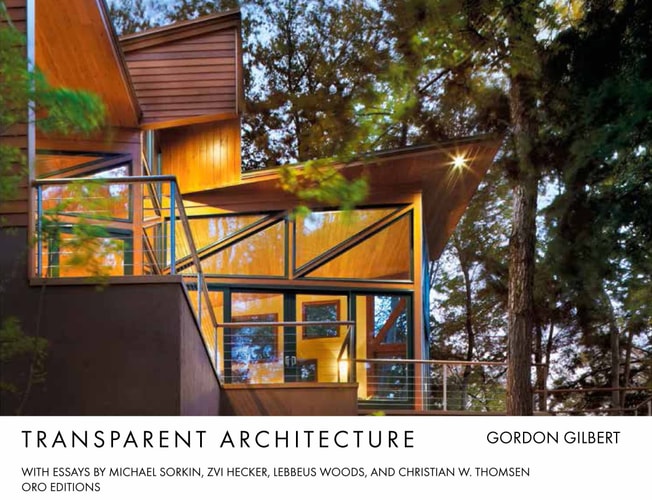
First used in the 15th century, the word transparent has origins in the Medieval Latin - transparere, meaning to show through. It's original Latin derivation is trans + parere, meaning to show oneself. The projects in this book point to an architecture that seemingly suggests a multiplicity of qualities. Paradoxically, it is also an architecture that reveals itself and its own singular nature clearly. The structures themselves display their own material and organizational logic, yet they are also able to function as containers for thought, moods, and memories. The inhabitant then moves through and interacts, in a live and changing world. Activities happen all at once, in a seamless whole, in simultaneity of experience. This is an architecture of natural processes in the revealed landscape, entropic and vital, where the normal boundaries and usual edges do not hold. The experimental drawings, texts, and built projects within are visual and spatial explorations. They aim toward architecture that provokes thought, refines one's abilities to see, and embraces the ongoing confluence and mutability of things.
Menrva's Summary
THE THESIS
The book investigates the concept of transparency in architecture and its multifaceted implications. It explores how architectural structures can reveal their own material and organizational logic while simultaneously serving as containers for thought, moods, and memories. The text examines an architecture that embraces natural processes, entropy, and vitality, where conventional boundaries dissolve to create a seamless, simultaneous experience for the inhabitant. Through experimental drawings, texts, and built projects, the book delves into spatial explorations that aim to provoke thought and refine perception.
THE SCOPE MAP
- Explorations of the etymology and historical use of the word 'transparent'.
- Analysis of architectural projects that embody transparency in material and concept.
- Discussions on how structures can contain abstract elements like thoughts, moods, and memories.
- Examination of architecture that reflects natural processes and a mutable world.
- Visual and spatial explorations through experimental drawings.
- Texts and case studies of built architectural projects.
THE AUTHORITY PERSPECTIVE
The book presents a conceptual exploration of transparency in architecture, drawing on historical context and contemporary projects. The collection of texts and drawings suggests an approach to design that prioritizes the revelation of structural logic and the creation of immersive, multi-sensory environments. The focus on natural processes and the dissolution of boundaries indicates a theoretical framework that challenges traditional architectural norms. This work is likely to appeal to architects, designers, and theorists interested in the philosophical and experiential dimensions of built space.
Page Count:
107
Publication Date:
2017-01-01
Publisher:
ORO Editions
ISBN-10:
1939621453
ISBN-13:
9781939621450
Non-Fiction
Art
Architecture
Design
Community Tags
Similar Books