Automatic Architecture
0
0
As an Amazon Associate and affiliate partner, Menrva Books earns from qualifying purchases. Learn more
Author Description
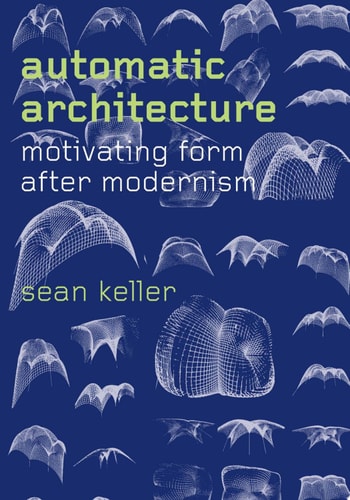
In the 1960s and ’70s, architects, influenced by recent developments in computing and the rise of structuralist and poststructuralist thinking, began to radically rethink how architecture could be created. Though various new approaches gained favor, they had one thing in common: they advocated moving away from the traditional reliance on an individual architect’s knowledge and instincts and toward the use of external tools and processes that were considered objective, logical, or natural. Automatic architecture was born. The quixotic attempts to formulate such design processes extended modernist principles and tried to draw architecture closer to mathematics and the sciences. By focusing on design methods, and by examining evidence at a range of scales—from institutions to individual buildings—Automatic Architecture offers an alternative to narratives of this period that have presented postmodernism as a question of style, as the methods and techniques traced here have been more deeply consequential than the many stylistic shifts of the past half century. Sean Keller closes the book with an analysis of the contemporary condition, suggesting future paths for architectural practice that work through, but also beyond, the merely automatic.
Menrva's Summary
THE THESIS
The book investigates the emergence and impact of 'automatic architecture' in the 1960s and '70s. Sean Keller examines how architects, influenced by computing and structuralist thought, sought to replace individual intuition with objective, logical, or natural external tools and processes. This movement, termed 'automatic architecture,' aimed to align architectural design with mathematics and the sciences, extending modernist principles. The book analyzes design methods across various scales, from institutions to individual buildings, presenting an alternative to stylistic narratives of postmodernism by highlighting the deeper consequences of these new techniques. Keller concludes by exploring the contemporary architectural landscape and potential future directions that extend beyond purely automatic practices.
THE SCOPE MAP
- The influence of computing, structuralism, and poststructuralism on architectural design methods.
- An examination of the shift from individual architect's intuition to objective, external tools and processes.
- Case studies of institutions and individual buildings that exemplify automatic architecture.
- Analysis of how these methods extended modernist principles and connected architecture to mathematics and sciences.
- A critique of postmodernism narratives focused solely on style, emphasizing the consequential nature of design methods.
- An exploration of contemporary architectural practice and future possibilities beyond automatic design.
THE AUTHORITY PERSPECTIVE
The book is recognized for its in-depth exploration of a specific, yet consequential, period in architectural history. It is noted for shifting the focus from stylistic trends to the underlying methodologies that shaped design. The analysis of 'automatic architecture' offers a valuable counter-narrative to traditional accounts of postmodernism. By tracing these methods from their origins to their contemporary implications, the work provides a framework for understanding the evolution of architectural practice.
Page Count:
208
Publication Date:
2018-02-12
Publisher:
University of Chicago Press
ISBN-10:
022649652X
ISBN-13:
9780226496528
History
Philosophy
Architecture
Non-Fiction
Design
Community Tags
Similar Books