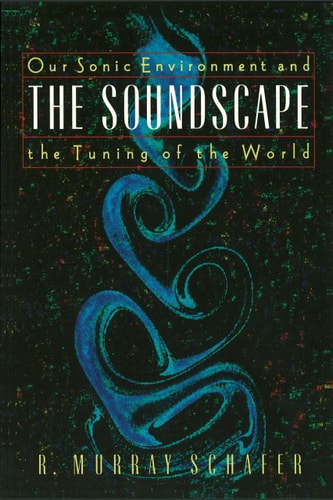
The Soundscape: Our Sonic Environment and the Tuning of the World
0
0
As an Amazon Associate and affiliate partner, Menrva Books earns from qualifying purchases. Learn more
Author Description
The soundscape--a term coined by the author--is our sonic environment, the ever-present array of noises with which we all live. Beginning with the primordial sounds of nature, we have experienced an ever-increasing complexity of our sonic surroundings. As civilization develops, new noises rise up around us: from the creaking wheel, the clang of the blacksmith’s hammer, and the distant chugging of steam trains to the “sound imperialism” of airports, city streets, and factories. The author contends that we now suffer from an overabundance of acoustic information and a proportionate diminishing of our ability to hear the nuances and subtleties of sound. Our task, he maintains, is to listen, analyze, and make distinctions. As a society we have become more aware of the toxic wastes that can enter our bodies through the air we breathe and the water we drink. In fact, the pollution of our sonic environment is no less real. Schafer emphasizes the importance of discerning the sounds that enrich and feed us and using them to create healthier environments. To this end, he explains how to classify sounds, appreciating their beauty or ugliness, and provides exercises and “soundwalks” to help us become more discriminating and sensitive to the sounds around us. This book is a pioneering exploration of our acoustic environment, past and present, and an attempt to imagine what it might become in the future.
Menrva's Summary
THE THESIS
The book investigates the pervasive influence of our sonic environment and argues for a more conscious engagement with sound. R. Murray Schafer, a pioneer in acoustic ecology, introduces the concept of the
THE SCOPE MAP
- The evolution of the sonic environment from primordial nature sounds to complex urban noise.
- Analysis of "sound imperialism" and the impact of modern technology on our acoustic surroundings.
- The concept of "acoustic pollution" and its parallels to environmental pollution.
- Exercises and "soundwalks" designed to enhance auditory perception and discrimination.
- Methods for classifying sounds based on their aesthetic and functional qualities.
- A historical and speculative exploration of humanity's relationship with sound.
THE AUTHORITY PERSPECTIVE
R. Murray Schafer's "The Soundscape" is widely recognized as a foundational text in the field of acoustic ecology and sound studies. Critics and academics have lauded its innovative conceptualization of the sonic environment and its call for greater auditory awareness. The book's interdisciplinary approach, drawing from music, environmental science, and cultural history, has made it a significant resource for scholars and practitioners alike. Its enduring influence lies in its ability to shift perspectives, encouraging readers to actively listen to and critically engage with the soundscapes that shape their lives.
Page Count:
320
Publication Date:
1993-10-01
Publisher:
Inner Traditions/Bear
ISBN-10:
0892814551
ISBN-13:
9780892814558
Non-Fiction
Science
Sound Studies
Cultural History
Urban Studies
Acoustics
Community Tags
Similar Books