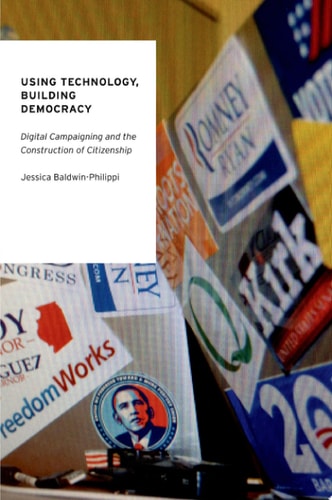
Using Tech, Building Democracy: Digital Campaigning and the Construction of Citizenship
0
0
As an Amazon Associate and affiliate partner, Menrva Books earns from qualifying purchases. Learn more
Author Description
The days of "revolutionary" campaign strategies are gone. The extraordinary has become ordinary, and campaigns at all levels, from the federal to the municipal, have realized the necessity of incorporating digital media technologies into their communications strategies. Still, little is understood about how these practices have been taken up and routinized on a wide scale, or the ways in which the use of these technologies is tied to new norms and understandings of political participation and citizenship in the digital age. The vocabulary that we do possess for speaking about what counts as citizenship in a digital age is limited. Drawing on ethnographic fieldwork in a federal-level election, interviews with communications and digital media consultants, and textual analysis of campaign materials, this book traces the emergence and solidification of campaign strategies that reflect what it means to be a citizen in the digital era. It identifies shifting norms and emerging trends to build new theories of citizenship in contemporary democracy. Baldwin-Philippi argues that these campaign practices foster engaged and skeptical citizens. But, rather than assess the quality or level of participation and citizenship due to the use of technologies, this book delves into the way that digital strategies depict what "good" citizenship ought to be and the goals and values behind the tactics.
Menrva's Summary
THE THESIS
This work investigates how the routinization of digital media technologies in political campaigns constructs new norms and definitions of citizenship in contemporary democracy. Jessica Baldwin-Philippi, a scholar in digital politics, utilizes a combination of ethnographic fieldwork, professional interviews, and textual analysis to examine how campaign consultants shape the digital landscape. The book argues that these strategic practices do not merely facilitate participation but actively define the values and expectations of what constitutes a good citizen in the digital era.
THE SCOPE MAP
What You Will Find
- Ethnographic data from federal-level election campaigns
- Qualitative interviews with digital media and communications consultants
- Textual analysis of contemporary campaign materials and messaging
- A theoretical framework for understanding digital citizenship
Scope Limits
- Does not provide a quantitative assessment of voter turnout or participation levels
- Does not evaluate the efficacy of specific campaign software or platforms
THE AUTHORITY PERSPECTIVE
Scholars in the field of political communication identify this text as a significant contribution to the study of how digital infrastructure influences democratic norms. Readers frequently note the academic density of the prose and the author's focus on the normative implications of campaign strategy over technical performance metrics.
Page Count:
224
Publication Date:
2015-01-01
Publisher:
Oxford University Press
ISBN-10:
0190231947
ISBN-13:
9780190231941
Sociology
Civics & Citizenship
Elections
Communication Studies
Technology and Society
Community Tags
Similar Books