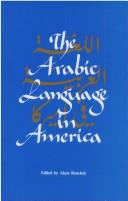
The Arabic Language in America
0
0
As an Amazon Associate and affiliate partner, Menrva Books earns from qualifying purchases. Learn more
Author Description
As in any other situation of languages in contact, Arabic spoken in the United States is changing under the influence of English. It has incorporated different linguistic innovations, and interference from English occurs on the various linguistic levels. However, in many cases this interference does not lead to language attrition, but rather to the creation of an ethnic language with special uses understood only by members of the Arab-American community. Developed out of Aleya Rouchdy's own involvement and teaching of Arabic in the United States, this book--the first of its kind--is devoted to the full range of Arabic in America. In Part I contributors discuss borrowing and the changes occurring on the various linguistic levels of Arabic and the social factors that have contributed to these changes. Other chapters in Part I deal with code-switching between English and Arabic. Part II examines the shift toward English and the maintenance of Arabic as well as the attitudes that speakers display toward Arabic. Chapters in Part III are pedagogical in nature. The essays explore the history of the study of Arabic in the United States and examine methods and materials used in the teaching of Arabic, as well as some of the theoretical and practical implications associated with these different approaches. Primarily for readers with special interest in Arab immigration, settlement, and ethnicity, The Arabic Language in America will also engage the attention of sociologists, social historians, anthropologists, linguists, and sociolinguists, who will find the book relevant for their work.
Menrva's Summary
THE THESIS
The Arabic language in America is undergoing significant transformations due to contact with English, leading to linguistic innovations and interference across various levels. This book, developed from Aleya Rouchdy's extensive involvement and teaching of Arabic in the United States, is the first comprehensive study of its kind. It explores how Arabic spoken in America incorporates English influences, examining the social factors driving these changes. The work investigates whether this interference results in language attrition or the formation of a distinct ethnic dialect understood within the Arab-American community.
THE SCOPE MAP
- Analysis of linguistic innovations and English interference in spoken Arabic in the US.
- Discussion of social factors contributing to language change and borrowing.
- Examination of code-switching between English and Arabic.
- Exploration of the shift towards English and the maintenance of Arabic.
- Analysis of speaker attitudes towards the Arabic language.
- Pedagogical approaches to teaching Arabic in the United States.
- Historical overview of Arabic language study in America.
- Theoretical and practical implications of different teaching methodologies.
THE AUTHORITY PERSPECTIVE
This book is recognized as a foundational text for those interested in Arab immigration, settlement, and ethnicity. Its detailed examination of language contact and change makes it a valuable resource for sociologists, social historians, anthropologists, linguists, and sociolinguists. The work is noted for its comprehensive scope, covering linguistic levels, social factors, and pedagogical aspects of Arabic in America. It provides critical insights into the dynamic evolution of a minority language within a dominant linguistic environment.
Page Count:
349
Publication Date:
1992-01-01
ISBN-10:
0814322832
Literary Fiction
Non-Fiction
Community Tags
Similar Books