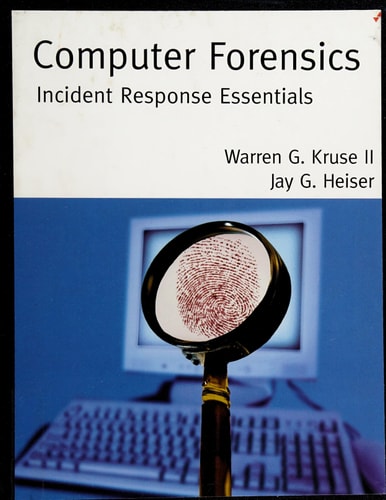
Computer Forensics: Incident Response Essentials
0
0
As an Amazon Associate and affiliate partner, Menrva Books earns from qualifying purchases. Learn more
Author Description
Every computer crime leaves tracks—you just have to know where to find them. This book shows you how to collect and analyze the digital evidence left behind in a digital crime scene.Computers have always been susceptible to unwanted intrusions, but as the sophistication of computer technology increases so does the need to anticipate, and safeguard against, a corresponding rise in computer-related criminal activity.Computer forensics, the newest branch of computer security, focuses on the aftermath of a computer security incident. The goal of computer forensics is to conduct a structured investigation to determine exactly what happened, who was responsible, and to perform the investigation in such a way that the results are useful in a criminal proceeding.Written by two experts in digital investigation, Computer Forensics provides extensive information on how to handle the computer as evidence. Kruse and Heiser walk the reader through the complete forensics process—from the initial collection of evidence through the final report. Topics include an overview of the forensic relevance of encryption, the examination of digital evidence for clues, and the most effective way to present your evidence and conclusions in court. Unique forensic issues associated with both the Unix and the Windows NT/2000 operating systems are thoroughly covered.This book provides a detailed methodology for collecting, preserving, and effectively using evidence by addressing the three A's of computer forensics: Acquire the evidence without altering or damaging the original data. Authenticate that your recorded evidence is the same as the original seized data. Analyze the data without modifying the recovered data.Computer Forensics is written for everyone who is responsible for investigating digital criminal incidents or who may be interested in the techniques that such investigators use. It is equally helpful to those investigating hacked web servers, and those who are investigating the source
Menrva's Summary
THE THESIS
This book investigates the technical and procedural requirements for conducting a structured, legally defensible investigation into computer-related criminal activity. Authors Jay G. Heiser and Warren G. Kruse II, both established experts in the field of digital investigation, present a comprehensive framework for evidence handling. They argue that the integrity of a digital investigation relies on the rigorous application of the three A's: Acquire, Authenticate, and Analyze, ensuring that digital evidence remains untainted for potential use in criminal proceedings.
THE SCOPE MAP
What You Will Find
- Methodologies for the collection and preservation of digital evidence from compromised systems.
- Comparative analysis of forensic procedures for Unix and Windows NT/2000 operating systems.
- Guidelines for the forensic examination of encrypted data and server logs.
- Best practices for documenting findings and presenting technical conclusions in a court of law.
THE AUTHORITY PERSPECTIVE
Experts recognize this work as a foundational text for understanding the early standards of digital forensics and incident response. Readers frequently note the practical focus on maintaining data integrity, which remains a core principle in modern cybersecurity investigations.
Page Count:
416
Publication Date:
2001-10-06
Publisher:
Addison-Wesley Professional
ISBN-10:
0201707195
ISBN-13:
9780201707199
Technology
Computer Science
Computer Networks
Reference
Forensics
Cybersecurity
Community Tags
Similar Books