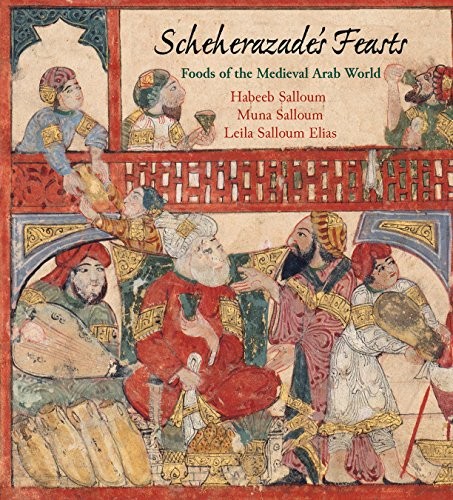
Scheherazade's Feasts: Foods of the Medieval Arab World
0
0
As an Amazon Associate and affiliate partner, Menrva Books earns from qualifying purchases. Learn more
Author Description
The author of the thirteenth-century Arabic cookbook "Kitāb al-Ṭabīkh" proposed that food was among the foremost pleasures in life. "Scheherazade's Feasts" invites adventurous cooks to test this hypothesis. From the seventh to the thirteenth centuries, the influence and power of the medieval Islamic world stretched from the Middle East to the Iberian Peninsula, and this Golden Age gave rise to great innovation in gastronomy no less than in science, philosophy, and literature. The medieval Arab culinary empire was vast and varied: with trade and conquest came riches, abundance, new ingredients, and new ideas. The emergence of a luxurious cuisine in this period inspired an extensive body of literature: poets penned lyrics to the beauty of asparagus or the aroma of crushed almonds; nobles documented the dining customs obliged by etiquette and opulence; manuals prescribed meal plans to deepen the pleasure of eating and curtail digestive distress. Drawn from this wealth of medieval Arabic writing, "Scheherazade's Feasts" presents more than a hundred recipes for the foods and beverages of a sophisticated and cosmopolitan empire. The recipes are translated from medieval sources and adapted for the modern cook, with replacements suggested for rare ingredients such as the first buds of the date tree or the fat rendered from the tail of a sheep. With the guidance of prolific cookbook writer Habeeb Salloum and his daughters, historians Leila and Muna, these recipes are easy to follow and deliciously appealing.
Menrva's Summary
THE THESIS
of this book is that food was a central element of pleasure and cultural expression in the medieval Arab world.** Drawing from extensive medieval Arabic literature, the book explores the rich and varied culinary landscape of the Islamic Golden Age, from the 7th to the 13th centuries. It highlights how trade, conquest, and cultural exchange led to gastronomic innovation, influencing cuisine from the Middle East to the Iberian Peninsula. The authors present over a hundred adapted recipes, making sophisticated medieval dishes accessible to modern cooks.
THE SCOPE MAP
- Recipes translated and adapted from medieval Arabic sources (7th-13th centuries).
- Exploration of the cultural and historical context of medieval Islamic gastronomy.
- Suggestions for modern ingredient substitutions for rare historical items.
- Coverage of the culinary influences across the medieval Islamic empire, from the Middle East to the Iberian Peninsula.
- Insights into the literature of the period, including poetry and etiquette manuals related to food.
- Guidance from experienced cookbook authors Habeeb Salloum and his daughters, Leila and Muna.
THE AUTHORITY PERSPECTIVE
The book is presented as an accessible guide to the culinary history of the medieval Arab world, making historical recipes available to contemporary cooks. The adaptation of ingredients and clear instructions suggest an aim to bridge the gap between historical texts and modern kitchens. The inclusion of historical context and literary references indicates a focus on the cultural significance of food during the Islamic Golden Age. The collaborative effort of the authors, including a prolific cookbook writer, suggests a practical and engaging approach to the subject matter.
Page Count:
232
Publication Date:
2013-01-01
ISBN-10:
081224477X
ISBN-13:
9780812244779
Non-Fiction
Cooking
History
Cookbooks
Community Tags
Similar Books